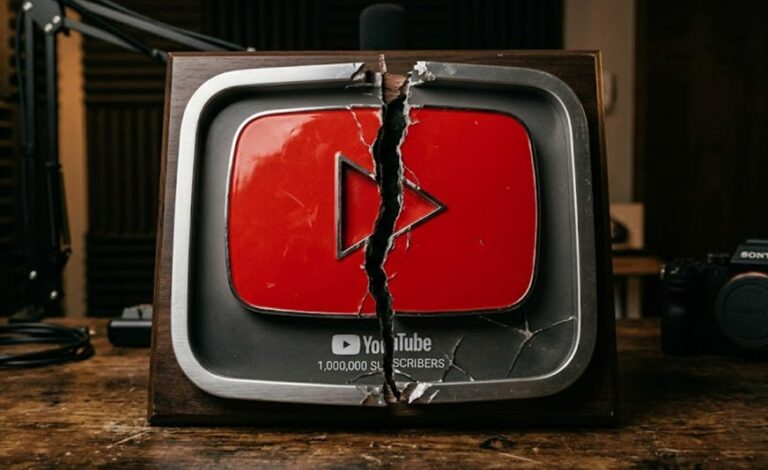
Buzzfeed’s recent misstep on YouTube, as highlighted by Simon Owens, serves as a reminder that even established brands can stumble when navigating the platform’s evolving landscape. The headline “Buzzfeed fumbled the ball on YouTube” points to a specific misalignment between the publisher’s approach and audience expectations on the video‑centric site. While the source does not detail the exact nature of the fumble, it signals that creators and companies alike should continually reassess their YouTube strategies to stay resonant.
The accompanying summary adds a broader observation: “Every shortform creator eventually becomes a longform creator.” This claim suggests a natural progression in creator careers, where those who begin with bite‑size content often expand into longer‑form formats as they grow their audience and skill set. The trend reflects changing viewer habits, platform algorithms that favor watch time, and creators’ desire to explore deeper storytelling or monetization avenues.
For individual creators, this pattern implies that experimenting with longer videos can be a logical next step after establishing a shortform presence. Diversifying content length may help capture new audience segments, increase overall channel watch time, and open additional revenue streams such as mid‑roll ads or sponsorships that prefer longer formats. However, the shift should be approached thoughtfully, maintaining the core voice and value that attracted the original shortform audience.
Creators considering this transition can start by testing occasional longform pieces alongside their regular shortform output, analyzing engagement metrics to gauge receptiveness. Keeping production quality consistent and clearly communicating the purpose of longer videos to subscribers helps manage expectations. Ultimately, staying adaptable and responsive to both platform signals and viewer feedback remains essential for sustained growth in the creator economy.
Join the conversation
Load Facebook comments to read and reply using your Facebook account.
