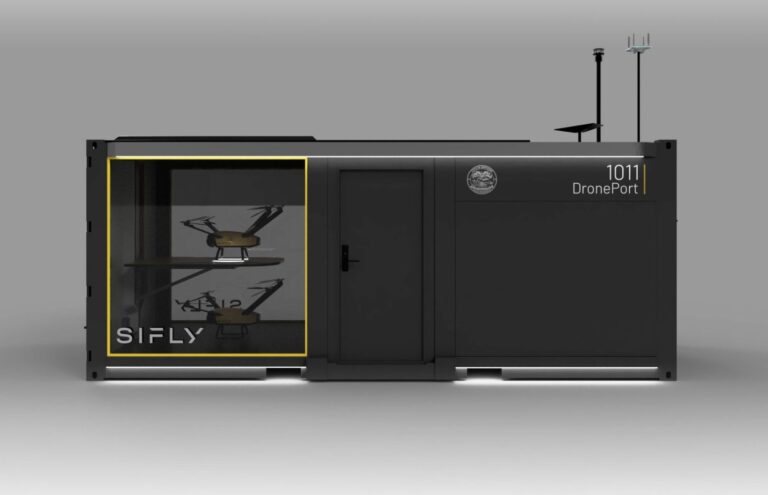
SiFly has announced its intention to replace the traditional model that requires each drone to have its own dock. For years, expanding drone operations has meant purchasing additional docking stations, a approach that applies to public safety Drone as First Responder programs, utility line inspections, and increasingly to content creators who rely on frequent aerial shots.
The reliance on individual docks creates a financial and logistical hurdle when scaling a fleet. Creators who need to launch multiple drones for events, real‑estate tours, or landscape filming must invest in a proportional number of docking units, which can limit how quickly they can expand their aerial capabilities. SiFly’s proposal suggests an alternative that could decouple drone availability from the need for a dedicated dock per unit.
If successful, such a system could lower the barrier to entry for creators looking to grow their drone inventory. By reducing the per‑drone infrastructure cost, operators might be able to deploy more units for simultaneous shoots, cover larger areas, or maintain backup aircraft without a matching increase in dock purchases. This flexibility could be especially valuable for independent creators who operate on tight budgets but need reliable, repeatable access to drones for regular content production.
While the source does not detail the exact technology or pricing behind SiFly’s approach, the concept aligns with a broader industry shift toward shared or dock‑less infrastructure solutions. Observers note that similar trends have emerged in other sectors where centralized charging or landing pads replace individual units, aiming to improve utilization and reduce capital expenditure.
Content creators should monitor SiFly’s progress through credible channels, looking for announcements about pilot programs, partnerships, or real‑world deployments. Staying informed will help creators assess whether the upcoming solution can meet their scaling needs without the traditional dock‑heavy investment.
Join the conversation
Load Facebook comments to read and reply using your Facebook account.
