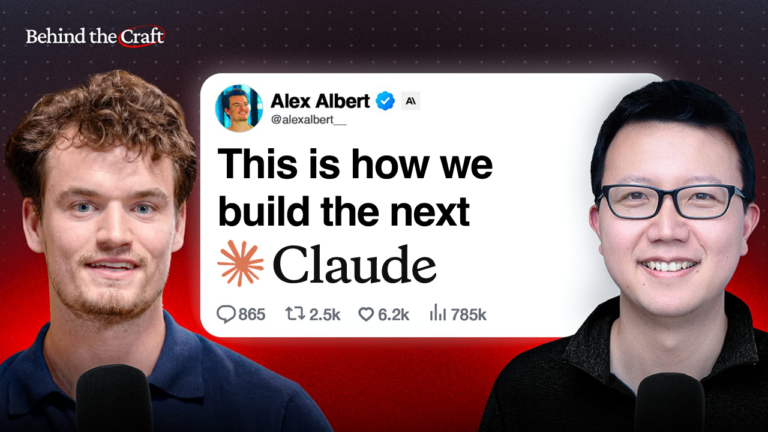
Anthropic’s research team is refining how Claude understands and responds to creator needs by focusing on deliberate capability selection and character training. According to a May 2026 look inside the company, the team prioritizes which model abilities to develop based on real-world use cases, especially those relevant to writers, designers, and digital storytellers. This approach ensures Claude evolves not just in intelligence, but in usefulness for creative workflows.
The process involves close collaboration between researchers and product teams to define what “better” means in context — whether that’s maintaining consistent tone across long-form content, understanding nuanced prompts, or adapting to different creative styles. Rather than chasing raw performance benchmarks, Anthropic emphasizes alignment with creator intent, aiming to make Claude a more reliable partner in ideation, drafting, and editing.
A key part of this effort is training Claude’s character — the model’s behavioral tendencies, tone, and responsiveness — to be helpful, predictable, and attuned to the subtleties of creative expression. This isn’t about adding features, but shaping how Claude interacts over time, especially in iterative creative processes where trust and consistency matter.
By shipping updates grounded in creator feedback and internal research, Anthropic aims to close the gap between powerful AI and practical utility. The goal isn’t just a smarter model, but one that fits seamlessly into the daily routines of content professionals who rely on clarity, continuity, and creative sensitivity.
This creator-first development strategy reflects a broader shift in AI design: moving beyond generic performance to specialized usefulness. For creators, it means Claude is being built not just to respond, but to understand — and support — the unique demands of making content at scale.
Join the conversation
Load Facebook comments to read and reply using your Facebook account.