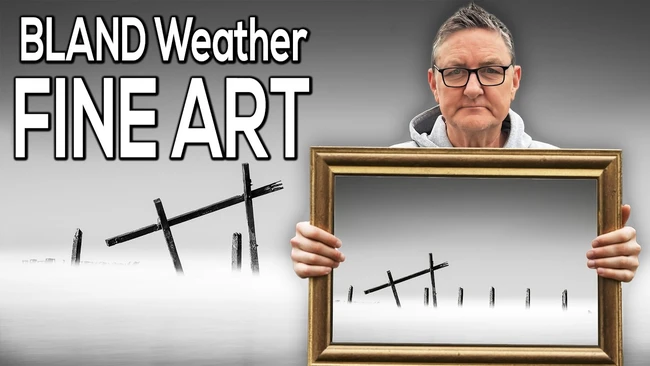
Shooting minimalist long exposures demands patience, precision, and the right conditions—especially when the environment works against you. At Happisburgh Beach in Norfolk, photographer Gary Gough faced an active tide and unpredictable light, yet used a narrow low-tide window to craft striking compositions. His approach highlights how creators can turn environmental challenges into opportunities for compelling visual storytelling.
Gough focused on static elements like groynes and sunken structures, using them as anchors in otherwise fluid scenes. By timing his shoot during low tide, he revealed textures and forms usually submerged, adding depth to minimalist frames. Long exposures smoothed the restless sea and sky, emphasizing contrast between motion and stillness—a hallmark of the genre.
The core lesson for content creators is adaptability. Rather than waiting for ideal light, Gough worked with what was available, using neutral density filters to extend exposure times even in suboptimal brightness. This technique allowed him to maintain creative control without relying on golden hour or clear skies.
His process underscores the value of scouting and planning. Knowing tidal schedules and beach topography enabled him to return when conditions aligned, maximizing limited shooting windows. For creators, this means leveraging apps and local knowledge to anticipate shifts in light and water.
Ultimately, the piece reinforces that minimalism isn’t about absence—it’s about intention. By stripping distractions and focusing on form, texture, and time, Gough turned a difficult beach session into a masterclass in restrained, impactful imagery. Creators can apply these principles across landscapes, urban settings, or even studio work to elevate their visual narrative.
Join the conversation
Load Facebook comments to read and reply using your Facebook account.
