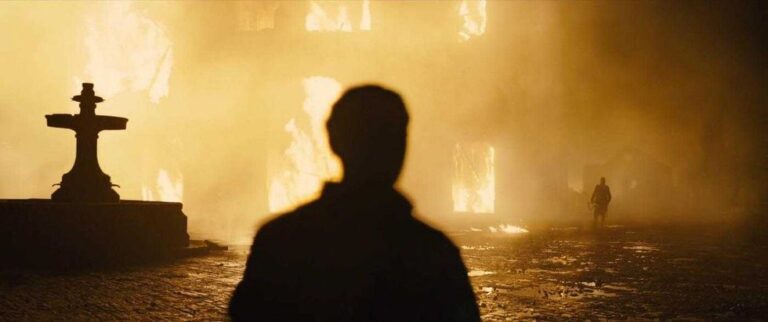
A recent article on No Film School, published on May 26, 2026, argues that screenwriters often overlook a crucial element during the drafting process: lighting. While many writers focus heavily on dialogue and structure, the visual dimension of how a scene is lit is frequently pushed aside as a "production concern" to be handled later by the director of photography. The piece suggests this is a missed opportunity.
The core insight is that for a screenplay to truly make an impression on a reader—whether a producer, a studio executive, or a potential collaborator—the writer must engage with the visual language of cinema from the page. Leaving lighting entirely to the DP means sacrificing a tool that can instantly convey mood, time, and subtext. By weaving lighting descriptions into the narrative, a screenwriter can help a reader visualize the scene exactly as intended, making the script more immersive and cinematic.
For content creators who write their own scripts—whether for short films, YouTube videos, or branded content—this advice is especially relevant. In a landscape where visual quality can set a piece apart, thinking about lighting at the script level encourages a more deliberate approach to storytelling. Instead of merely describing what happens, the writer can hint at how the audience should feel. A scene drenched in shadow suggests danger or mystery, while harsh fluorescent light can imply sterility or anxiety. These choices can be embedded in the action or description lines.
The article highlights that waiting until the production phase to consider lighting is a common trap. Yet, for those who aim to elevate their writing, integrating cinematic lighting into the script is a strategic move. It demonstrates a sophisticated understanding of filmcraft and signals to readers that the writer is thinking visually from the beginning. This can be a deciding factor in a competitive industry where scripts are often judged by their ability to paint a vivid picture without relying on a budget or a crew to fill in the blanks.
In essence, the lesson for creators is clear: Don’t treat lighting as an afterthought. Use it as a narrative tool that works in concert with dialogue and structure to create a more compelling and professional script. By doing so, you not only improve the read but also set your project up for a stronger visual foundation when it moves into production.
Join the conversation
Load Facebook comments to read and reply using your Facebook account.
