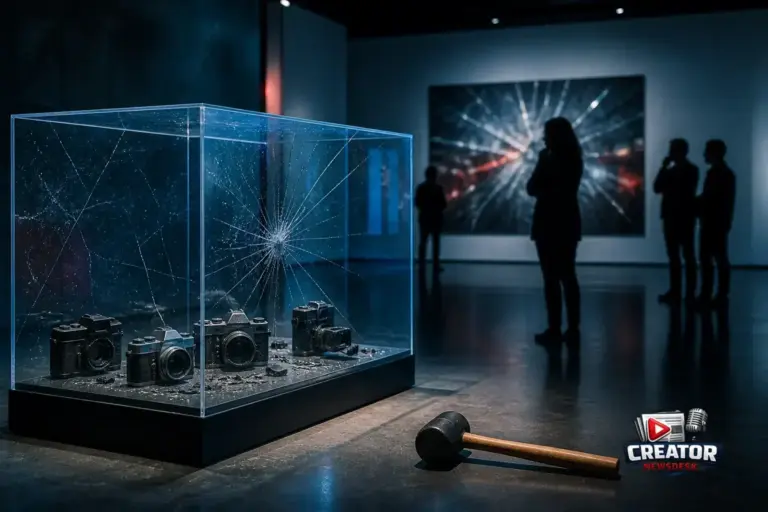
The Belfast Photo Festival, set to begin in over a week in Northern Ireland, has ignited strong backlash from photographers worldwide after announcing plans for an interactive exhibit inviting the public to destroy old cameras with hammers. Described as a "rage room" experience, the installation encourages visitors to smash what the festival labels as "obsolete" photographic equipment, framing the act as a cathartic or artistic release.
Photographers have expressed outrage on social media and professional forums, arguing that the exhibit disrespects the craft, history, and environmental impact of photographic gear. Many emphasize that older cameras—whether film or digital—represent technological milestones, remain usable, or can be responsibly recycled rather than destroyed for spectacle. Critics question the message sent to aspiring creators when tools of the trade are portrayed as disposable junk.
The festival has not yet detailed which specific models will be included or whether any devices are non-functional props. However, the mere concept of endorsing physical destruction of cameras—especially amid growing concerns over e-waste and sustainable practices in creative industries—has struck a nerve. Some creators suggest alternatives like repair workshops, gear donations, or educational displays on obsolescence and innovation.
As the event approaches, organizers face mounting pressure to reconsider or clarify the exhibit’s intent. The controversy underscores a broader tension in the creator economy: how to balance provocative art with respect for the tools, traditions, and ecological responsibilities that define visual storytelling. For many, the camera is not just equipment—it’s an extension of the creator’s vision.
Join the conversation
Load Facebook comments to read and reply using your Facebook account.