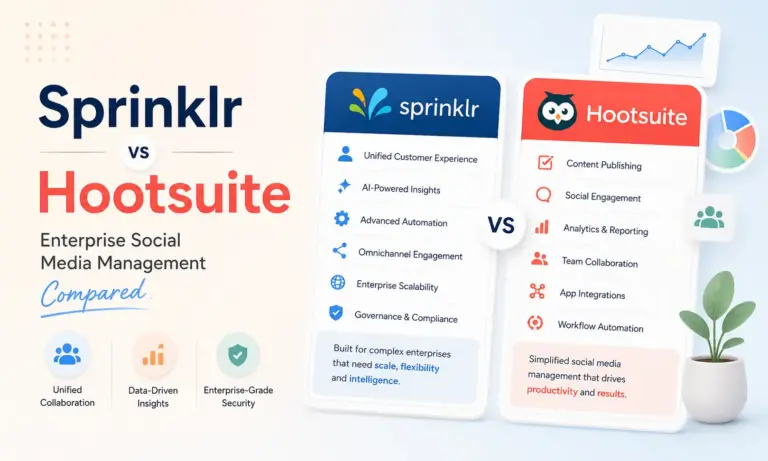
The Influencer Marketing Hub recently published a side‑by‑side look at Sprinklr and Hootsuite, two platforms positioned for enterprise‑scale social media management. While the piece does not dive into specific feature lists or pricing, its existence signals that creators who operate at a larger scale—or who aspire to—are increasingly evaluating tools built for complex workflows, multiple stakeholders, and heavy reporting demands.
For creators whose income hinges on sponsorships, brand deals, or affiliate partnerships, the ability to demonstrate consistent performance and timely delivery is crucial. Enterprise‑grade tools typically offer centralized calendars, bulk scheduling, and analytics dashboards that can help prove reach, engagement, and ROI to sponsors. When a platform streamlines these processes, creators can spend less time on manual reporting and more time on content creation, potentially improving monetization efficiency.
Legal risk and platform policy compliance are another area where the choice of a social media management suite matters. Creators must navigate FTC disclosure rules, platform‑specific advertising policies, and evolving data‑privacy regulations. Systems that provide governance controls—such as content approval workflows, automated archiving, and policy checks—can reduce the chance of accidental violations that might lead to demonetization, account strikes, or legal challenges. While the comparison does not detail which platform offers stronger safeguards, it underscores that enterprise solutions are built with these oversight needs in mind.
Audience trust is closely tied to reliability and brand safety. Missed posts, delayed responses, or inadvertently publishing off‑brand material can erode follower confidence. Tools that support real‑time monitoring, unified inboxes, and collaborative content libraries help maintain a steady, on‑brand presence. Consistent performance, facilitated by a dependable management platform, reinforces the perception of professionalism that audiences associate with trusted creators.
Ultimately, creators should weigh how each platform aligns with their specific operational scale, team size, and long‑term goals. Rather than chasing a checklist of features, consider factors like ease of onboarding, integration with existing tools, quality of customer support, and the total cost of ownership. A thoughtful evaluation will help ensure that the chosen social media management solution supports sustainable growth without introducing unnecessary complexity or risk.
Join the conversation
Load Facebook comments to read and reply using your Facebook account.
