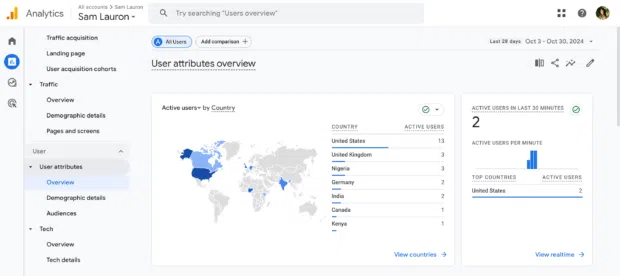
Creators looking to refine their social media strategy can now leverage Google Analytics 4 (GA4) to gain deeper insights into how their content performs across platforms. According to a recent Hootsuite blog post, GA4 allows users to track which types of content resonate most with their audience and identify the social networks driving the most engagement. This shift from vanity metrics to actionable data empowers creators to make informed decisions about where to focus their efforts.
The integration of GA4 with social media tracking enables creators to see beyond likes and shares, offering a clearer picture of user behavior after clicking through from platforms like Instagram, TikTok, or YouTube. By analyzing traffic sources, engagement duration, and conversion paths, creators can determine which content formats—such as short-form video, carousels, or live streams—are most effective at driving meaningful interactions.
Hootsuite emphasizes that understanding audience preferences through GA4 isn’t just about measuring reach; it’s about aligning content with what actually drives traffic and engagement on a creator’s owned platforms, such as blogs or websites. This approach helps bridge the gap between social media activity and broader business goals like audience growth, newsletter sign-ups, or product sales.
For creators aiming to build sustainable careers, using GA4 to track social media performance offers a scalable way to test, learn, and iterate. Rather than guessing what works, they can rely on data to refine posting schedules, content themes, and platform prioritization. As social algorithms evolve, having a consistent analytics foundation becomes increasingly valuable.
The Hootsuite guide, published on May 28, 2026, serves as a practical starting point for creators new to GA4 or those looking to improve their existing tracking setup. By focusing on verified platform capabilities and avoiding speculation, creators can implement these strategies confidently, knowing they’re based on proven analytics principles rather than unverified claims.
Join the conversation
Load Facebook comments to read and reply using your Facebook account.