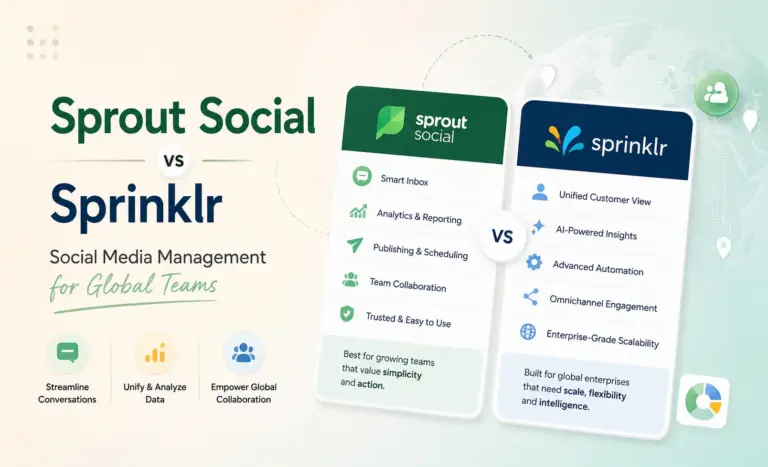
For creators managing international brand deals and multi-platform audiences, choosing between Sprout Social and Sprinklr isn’t just about features — it’s about risk and revenue. Both platforms serve global teams, but their approaches differ in ways that impact monetization and compliance. Sprout Social emphasizes intuitive workflows and analytics, which can help creators track campaign performance and justify sponsorship rates. Sprinklr, built for enterprise scale, offers deeper governance tools that may reduce legal risk when handling user-generated content across regions with varying ad disclosure laws.
Creator businesses should weigh how each platform supports audit trails and content approval processes — critical for avoiding FTC or ASA violations in sponsored posts. Neither tool eliminates legal exposure, but Sprinklr’s enterprise focus includes more robust compliance modules, while Sprout Social leans into real-time engagement and simpler reporting for agile teams.
Platform policy changes — like algorithm shifts or new monetization rules on TikTok or YouTube — require fast response. Sprout Social’s unified inbox and listening tools help creators spot trends and audience sentiment shifts quickly, protecting trust during crises. Sprinklr’s AI-driven insights may predict broader reputational risks but could feel over-engineered for solo creators or small agencies.
Ultimately, the choice hinges on scale and risk tolerance. Global creator teams juggling multiple sponsors, languages, and regulations may benefit from Sprinklr’s control. Those prioritizing speed, clarity, and direct audience connection might find Sprout Social’s balance of usability and insight better protects both revenue and trust. Always verify how either tool integrates with your specific ad disclosure and data privacy workflows.
Join the conversation
Load Facebook comments to read and reply using your Facebook account.
