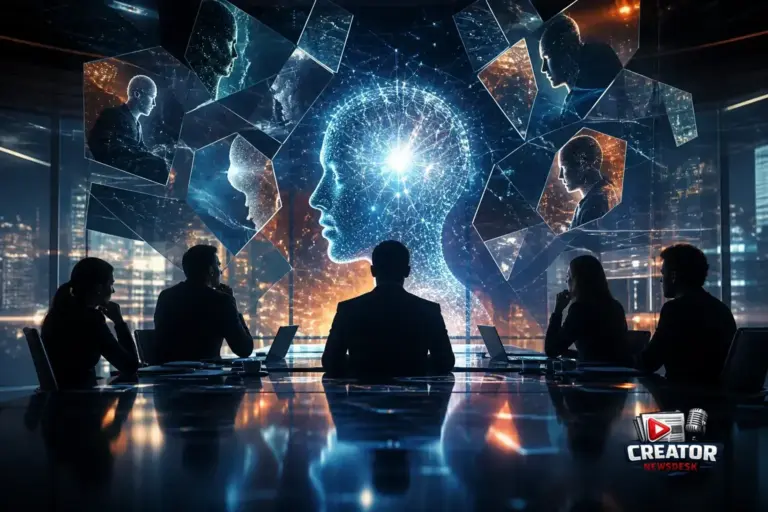
The latest episode of TechCrunch's Equity podcast delves into a provocative question: are tech CEOs uniquely susceptible to a phenomenon dubbed "AI psychosis"? While the term isn't clinically recognized, the discussion centers on how intense immersion in AI development might affect leadership decision-making and mental well-being—a concern increasingly relevant as AI tools permeate creative workflows. For content creators, this debate underscores the importance of maintaining critical perspective when integrating AI into their processes. As AI-generated content becomes more sophisticated, creators must balance innovation with ethical considerations and personal well-being to avoid over-reliance on technology that could distort judgment or exacerbate stress. The conversation highlights that while AI offers powerful tools for efficiency and creativity, unchecked adoption without safeguards risks blurring the line between human ingenuity and machine dependency. Creators are encouraged to foster environments where AI augments rather than replaces human insight, ensuring sustainable growth in an evolving digital landscape. By staying informed about such industry dialogues, creators can better navigate the psychological and professional implications of AI adoption, safeguarding both their craft and mental resilience in the face of rapid technological change.
</think>
The latest episode of TechCrunch's Equity podcast delves into a provocative question: are tech CEOs uniquely susceptible to a phenomenon dubbed "AI psychosis"? While the term isn't clinically recognized, the discussion centers on how intense immersion in AI development might affect leadership decision-making and mental well-being—a concern increasingly relevant as AI tools permeate creative workflows. For content creators, this debate underscores the importance of maintaining critical perspective when integrating AI into their processes. As AI-generated content becomes more sophisticated, creators must balance innovation with ethical considerations and personal well-being to avoid over-reliance on technology that could distort judgment or exacerbate stress. The conversation highlights that while AI offers powerful tools for efficiency and creativity, unchecked adoption without safeguards risks blurring the line between human ingenuity and machine dependency. Creators are encouraged to foster environments where AI augments rather than replaces human insight, ensuring sustainable growth in an evolving digital landscape. By staying informed about such industry dialogues, creators can better navigate the psychological and professional implications of AI adoption, safeguarding both their craft and mental resilience in the face of rapid technological change.
Join the conversation
Load Facebook comments to read and reply using your Facebook account.
