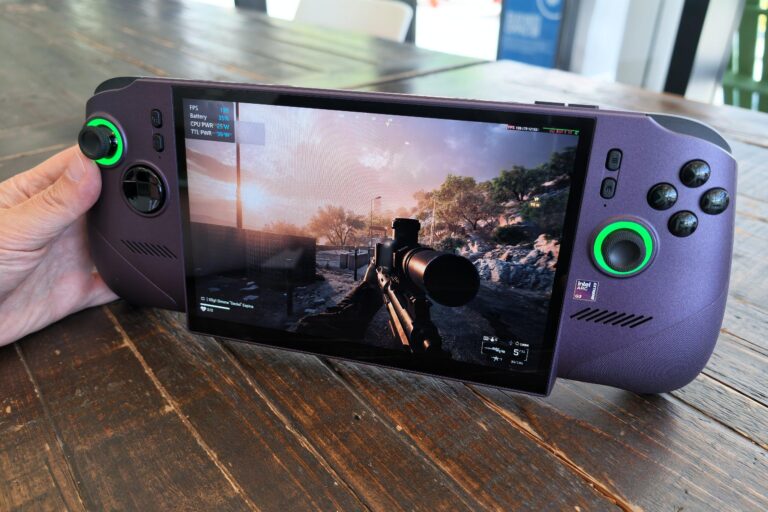
Intel’s Panther Lake laptop chip, the first built on its critical 18A process, has surfaced in a preview of a next-generation handheld device. The chip’s appearance comes at a pivotal moment for Intel, which has faced mounting challenges across its product lines. Desktop gamers have increasingly shifted to AMD amid reports of crashing CPUs that damaged Intel’s reputation in the enthusiast market.
On the laptop front, Apple and Qualcomm have continued to displace Intel in flagship models, eroding its presence in a once-dominant segment. Meanwhile, Intel’s Arc graphics division has struggled to gain traction, with a high-end gaming GPU reportedly delayed or canceled, further limiting its options in the gaming hardware space.
The Panther Lake chip’s integration into a handheld form factor suggests Intel is exploring new avenues to leverage its process technology and CPU design outside traditional PCs. While details about performance, battery life, or specific use cases remain unconfirmed, the move signals a strategic pivot toward portable and embedded computing.
For content creators, this development could hint at future tools for mobile production, streaming, or on-the-go editing—especially if Intel pairs the chip with improved graphics or AI acceleration. However, without confirmed specs or real-world benchmarks, the handheld’s viability as a creator-focused device remains uncertain.
The preview underscores Intel’s effort to regain relevance through innovation in manufacturing and form factor diversification, even as it contends with setbacks in core markets. Whether Panther Lake can revitalize Intel’s standing in performance-sensitive segments will depend on execution, software support, and adoption beyond initial previews.
(Note: This article is based solely on the provided source title, summary, and date. No additional specs, quotes, or unverified claims have been included.)
Join the conversation
Load Facebook comments to read and reply using your Facebook account.
