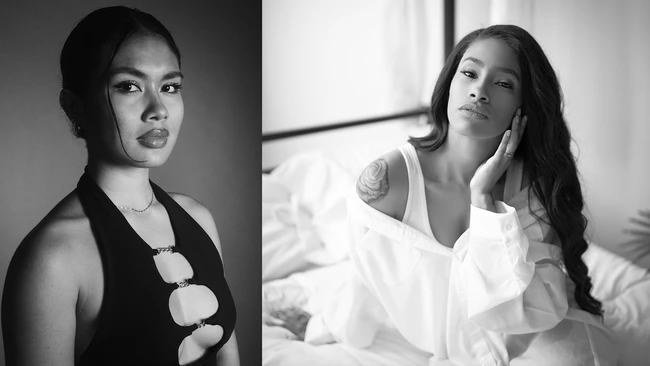
Shooting portraits in black and white is a deliberate creative choice rather than a default stylistic option, according to insights from Fstoppers published on June 6, 2026. The publication emphasizes that successful monochrome portraits depend on whether the foundational elements of light, expression, and mood were already present in the scene before color is removed. This approach shifts the focus from post-processing fixes to intentional pre-visualization during the shooting process.
For content creators, understanding this principle can elevate portrait work by ensuring that black and white conversions enhance rather than diminish the image's impact. The key lies in assessing whether the scene inherently possesses strong contrast, compelling facial expressions, and atmospheric mood that translate effectively without color distraction. When these elements are strong, removing color can amplify emotional resonance and timeless quality.
Creators are encouraged to evaluate their subjects and lighting conditions critically before deciding on monochrome treatment. Rather than applying black and white as a solution for flat or uninteresting color images, the technique should be reserved for moments where the absence of color serves to highlight texture, form, and emotional depth. This mindful approach ensures that black and white portraits feel intentional and powerful, aligning with the creator's artistic vision rather than becoming a generic aesthetic choice.
By prioritizing light, expression, and mood during capture, creators can make informed decisions that result in black and white portraits that feel authentic and purposeful, ultimately strengthening their portfolio's visual storytelling capabilities. This method supports a more thoughtful workflow that values creative intent over habitual processing habits.
Join the conversation
Load Facebook comments to read and reply using your Facebook account.