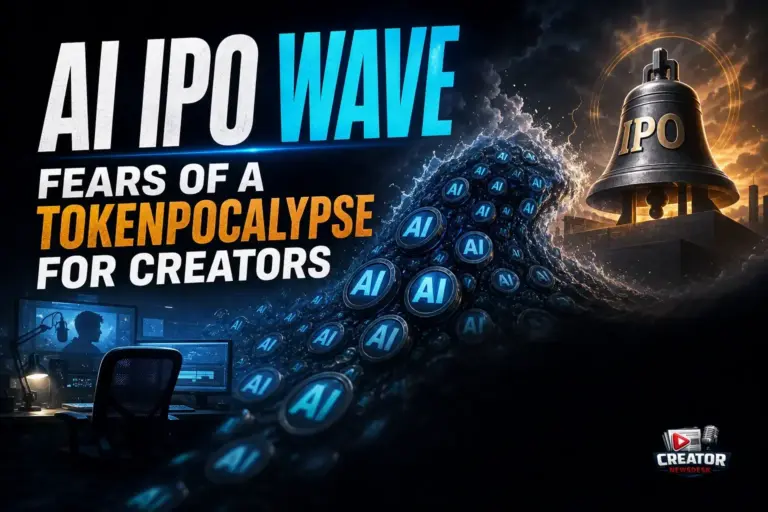
A recent TechCrunch piece titled “Is this the dawn of the Tokenpocalypse?” published on June 7, 2026, raises the possibility that forthcoming public offerings by major AI firms could lead to broader price increases across the industry. The article’s summary notes, “We're likely to see more price increases as the big AI companies plan to go public.” While the report does not detail specific products or exact figures, it frames the upcoming IPO wave as a potential catalyst for higher costs associated with AI‑driven services.
For creators, the term “Tokenpocalypse” has come to describe a scenario where the cost of AI tokens or credits—used to power generative text, image, video, and audio tools—rises sharply. Many content producers now rely on these services for tasks ranging from script drafting and editing to visual effects and music generation. If the anticipated price hikes materialize, creators could see their operating expenses climb, squeezing profit margins and prompting a reassessment of which tools remain economically viable.
The creator‑business angle hinges on the dependency that many independent producers and small studios have developed on subscription‑based or pay‑per‑use AI platforms. Any upward shift in pricing could force creators to either absorb the added cost, pass it on to clients or audiences, or seek alternative solutions. This dynamic is especially relevant for those who have built workflows around a handful of dominant AI providers, as their negotiating power may be limited compared to larger enterprises.
Because the TechCrunch article does not supply concrete numbers, timelines, or named companies, the outlook remains speculative. Creators are advised to stay alert to official IPO filings and earnings calls from the leading AI firms, where pricing strategies and post‑IPO financial goals are likely to be disclosed. Monitoring industry newsletters, analyst reports, and community forums can also help surface early signals of fee adjustments.
In practical terms, creators might consider diversifying their toolsets, exploring open‑source or lower‑cost AI models, and negotiating enterprise‑level discounts where possible. Building flexibility into budgets—such as allocating a contingency fund for service fees—can mitigate sudden spikes. Ultimately, while the “Tokenpocalypse” framing highlights a plausible risk, the actual impact will depend on how the AI companies balance growth, profitability, and market competition after going public. Keeping a close watch on developments will enable creators to adapt their strategies before any cost changes take full effect.
Join the conversation
Load Facebook comments to read and reply using your Facebook account.