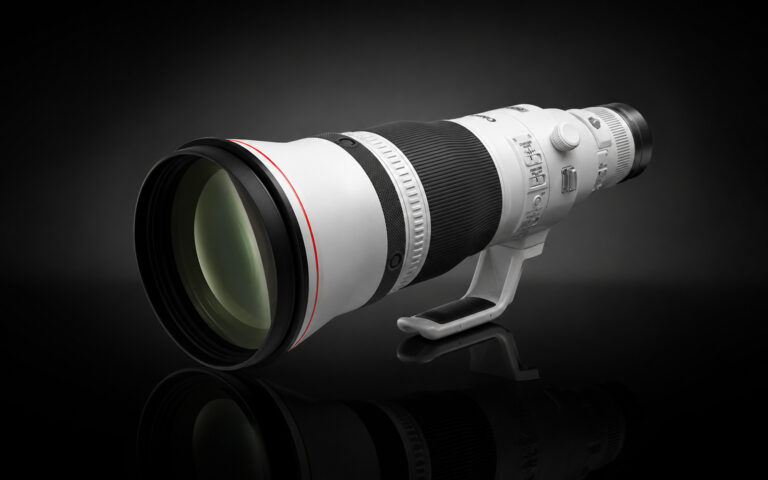
Canon is reportedly preparing to launch updated versions of its RF 400mm f/2.8L IS USM and RF 600mm f/4L IS USM lenses, with a potential release window in late Q4 2026. These telephoto primes, part of Canon’s esteemed “big white” L-series lineup, have long been staples for sports, wildlife, and professional photographers. The rumored updates suggest ongoing investment in Canon’s RF mount system, reinforcing its commitment to high-performance optics for mirrorless users.
The development aligns with Canon’s broader strategy to strengthen its RF lens ecosystem, which now includes over 40 native lenses catering to a wide range of creative and professional needs. By refining existing flagship models rather than introducing entirely new focal lengths, Canon appears focused on enhancing performance, reliability, and usability—key factors for creators who depend on consistent, top-tier gear in demanding environments.
While specific technical improvements have not been confirmed, the expected updates may include advancements in image stabilization, autofocus speed, or weather sealing—features critical for outdoor and action photography. Such refinements would further solidify the RF system’s appeal among professionals considering a transition from DSLR or competing mirrorless platforms.
For content creators and imaging professionals, lens availability and ecosystem maturity are crucial when investing in a camera system. Canon’s continued expansion and refinement of its RF lens lineup signal long-term support, reducing perceived risk for adopters. The anticipated late 2026 release window allows time for testing and feedback, potentially ensuring the lenses meet real-world workflow demands upon launch.
As the mirrorless market matures, lens innovation remains a key differentiator. Canon’s focus on evolving its core pro optics demonstrates responsiveness to user needs while maintaining the optical quality and build standards associated with the L-series badge. Until official confirmation, the rumored updates represent a promising sign of sustained investment in the RF ecosystem.
Join the conversation
Load Facebook comments to read and reply using your Facebook account.