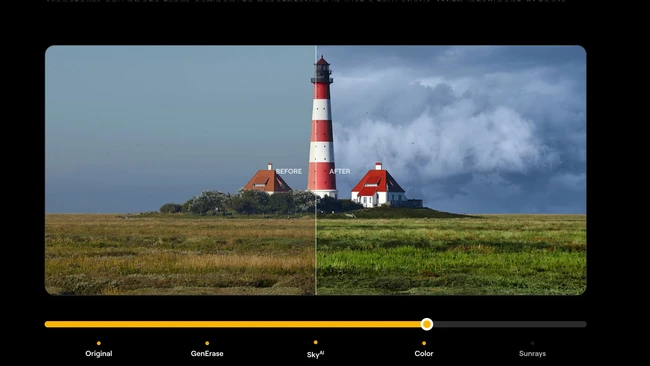
Skylum has released an update to Luminar Neo that introduces the ability to import Lightroom libraries directly into the software. This new feature aims to bridge the gap between Adobe’s widely used ecosystem and Skylum’s own editing platform, offering creators a potential path to move or duplicate their existing catalogs without starting from scratch.
The announcement comes amid a crowded market where numerous editing tools are vying for the attention of photographers and content creators. By targeting Lightroom users—many of whom have invested significant time in building presets, keywords, and organizational structures—Skylum is positioning Luminar Neo as a viable alternative or complementary tool within a creator’s workflow.
However, the update is accompanied by a caveat that the source material does not elaborate on. While the exact nature of this limitation remains unspecified, it suggests that the import process may not be fully seamless or may come with certain conditions that users should consider before relying on it for critical projects.
For creators who rely on Lightroom for asset management and non‑destructive editing, the ability to bring those assets into Luminar Neo could simplify experimentation with new looks or special effects that the latter offers. At the same time, the unspecified caveat advises a cautious approach, encouraging users to test the import on a smaller subset of their library before committing to a full migration.
Overall, the addition reflects Skylum’s strategy to chip away at Adobe’s dominance by reducing friction for creators contemplating a shift. As the photo‑editing landscape continues to evolve, features like this—paired with clear communication about any constraints—will be key in helping creators decide which tools best fit their business and artistic needs.
Join the conversation
Load Facebook comments to read and reply using your Facebook account.