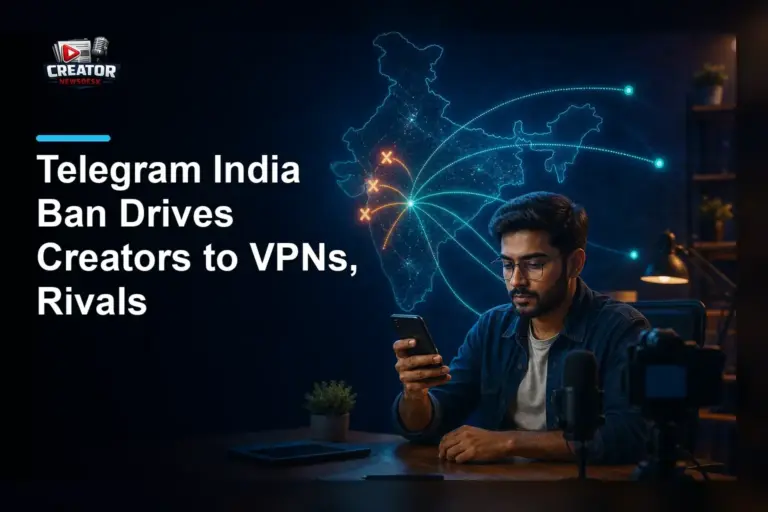
The Indian government’s ban on Telegram has sent shockwaves through the country’s creator community, prompting a swift migration to VPNs and competing messaging platforms. The move, which blocks the app used by millions for channels, communities, and content distribution, forces creators to reconsider their audience outreach strategies in one of the world’s largest digital markets.
For creators relying on Telegram for everything from subscriber updates to paid channel offerings, the ban disrupts established workflows. Many are now turning to VPNs—tools that can reroute traffic to bypass regional blocks—in an attempt to restore access and maintain engagement with their Indian followers.
Simultaneously, rival apps are seeing a surge in adoption as creators and audiences seek stable alternatives. Telegram has argued that the government should block specific content it deems objectionable rather than targeting an entire platform, highlighting the tension between platform governance and freedom of expression.
From a creator-business perspective, this event underscores the risks of building a presence on a single platform, especially in markets with unpredictable regulatory actions. Diversifying communication channels and having contingency plans for region-specific bans are becoming essential risk-management practices for creators.
The rush to VPNs also raises considerations around user experience, potential throttling, and terms-of-service compliance for both creators and their audiences, adding friction to content delivery. As Telegram continues its advocacy for narrower enforcement, the creator community in India navigates an immediate need for connectivity while weighing the long-term viability of alternative platforms.
Join the conversation
Load Facebook comments to read and reply using your Facebook account.
