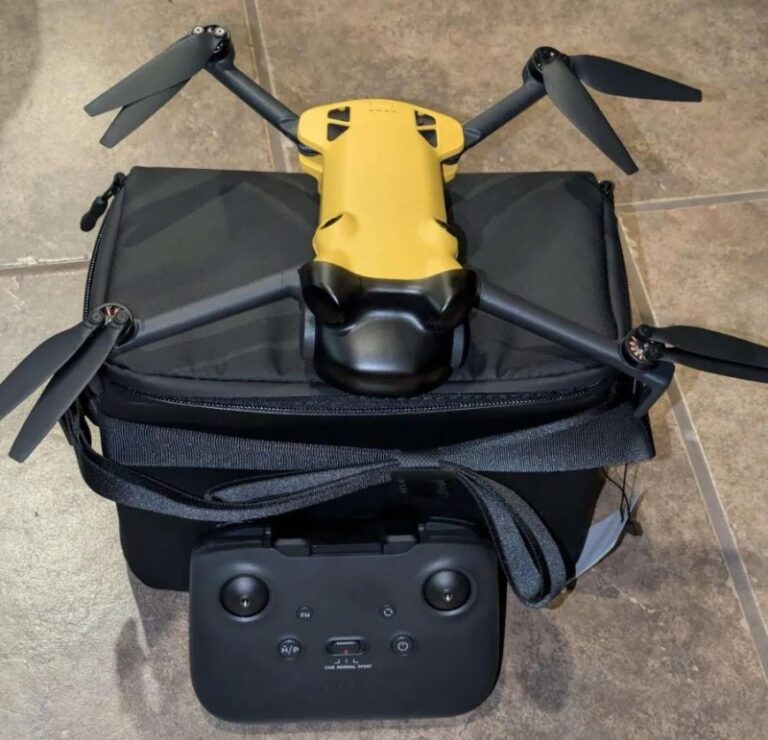
The Skyrover X1 bundle aims squarely at the casual weekend flyer and photography hobbyist seeking a lightweight, compact drone. The pitch is familiar: a small drone that fits in a bag and captures high-quality photos, offered as an alternative to dominant brands. But as The Drone Girl’s review title puts it, this drone “looks like a DJI alternative, but it’s not.” That sentiment speaks volumes about the challenge any newcomer faces in a market reshaped by DJI’s relentless innovation.
DJI has set the bar for portability without compromise. Through iterative design, the company continually refines what a sub-250-gram drone can deliver—from advanced flight stability and intelligent modes to camera systems that punch far above their weight class. While the Skyrover bundle targets the same niche, DJI’s track record of incremental yet meaningful improvements creates an ecosystem of reliability and performance that is difficult for any single product to match.
For Creator Newsdesk readers, the Skyrover X1’s arrival highlights a persistent dynamic: DJI’s dominance spurs competition, but also forces rivals to prove they can deliver on feature parity. The review suggests the Skyrover may appeal to some, but it lacks the polish, integration, and continuous software evolution that DJI owners have come to expect. In the creator economy, where aerial footage is a cornerstone of storytelling, DJI’s steady stream of refinements—even without a flagship buzz—keeps it at the front of the pack.
Ultimately, the Skyrover X1 shows that building a genuine DJI alternative requires more than a lightweight frame and an attractive bundle. DJI’s relentless innovation cycle means that by the time competitors launch, the standard has already moved. For creators who value performance and dependability, DJI remains the safe choice, leaving challengers to fight for the scraps of a market that constantly expects more.
Join the conversation
Load Facebook comments to read and reply using your Facebook account.