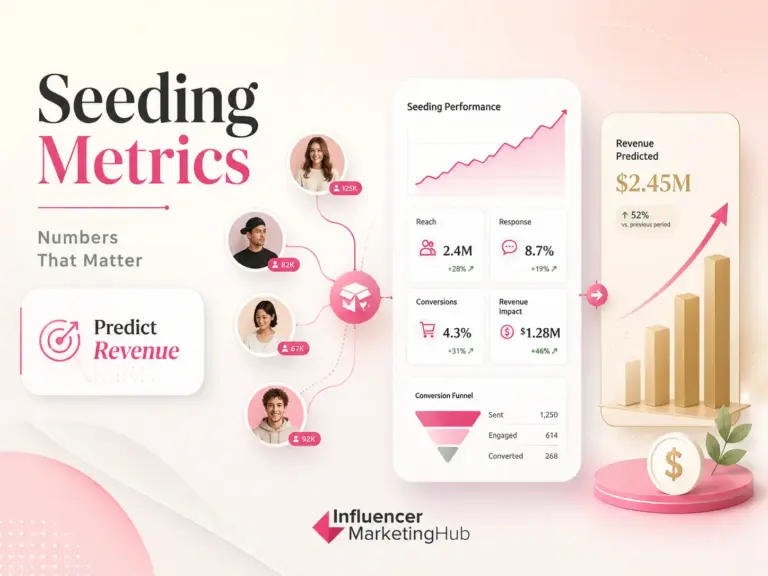
For many creators, "product seeding"—the practice of brands sending free products in hopes of organic coverage—is a staple of their business model. However, from a business perspective, relying on "post rate" (the percentage of creators who post after receiving a gift) is a shallow metric that often fails to capture the actual value of the partnership.
According to a recent guide from Influencer Marketing Hub, auditing a seeding program requires looking beyond how many packages were shipped and how many posts went live. For creators, this shift in how brands measure success can change the nature of their sponsorships. When brands stop valuing simple volume and start auditing for deeper impact, the pressure shifts from "posting once" to delivering tangible business results.
From a monetization standpoint, this evolution suggests a move toward quality over quantity. Creators who can provide data beyond a simple upload—such as audience sentiment or conversion signals—may find themselves more attractive to brands looking to optimize their seeding budgets.
However, there is a practical risk for creators: as brands tighten their audit processes, those who accept products without delivering any coverage may find themselves blacklisted from future seeding lists. This creates a tension between a creator's right to honest, unbiased reviews and a brand's desire for a guaranteed return on investment.
For creators managing their own business, understanding these audit metrics is key to maintaining audience trust. If a brand is auditing for "reach" rather than "resonance," the resulting pressure to produce specific types of content can clash with a creator's authentic voice.
Ultimately, the shift toward more rigorous auditing means creators should be skeptical of "free" products. The hidden cost is often the expectation of a post, and as brands get better at tracking these expectations, the "gift" becomes a contractual obligation in all but name.
Join the conversation
Load Facebook comments to read and reply using your Facebook account.