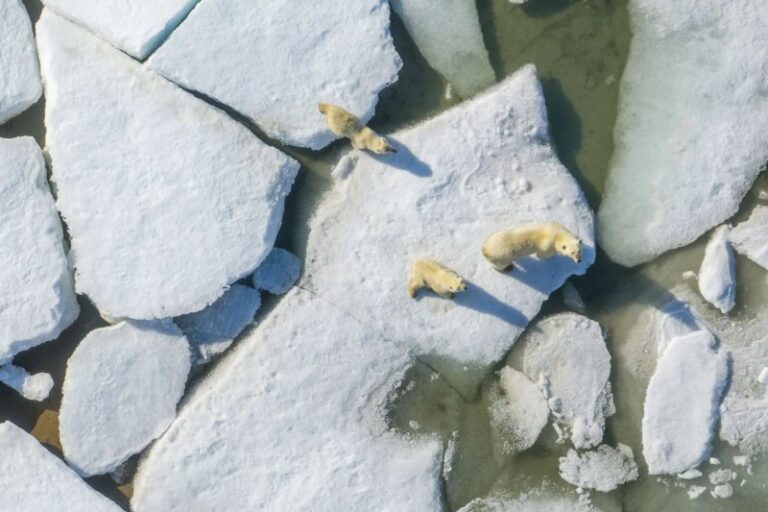
While most drone pilots are familiar with FAA regulations like Part 107 and the upcoming Part 108, fewer realize that flying near wildlife—especially protected species like polar bears—triggers separate legal requirements under wildlife protection laws. In Alaska, operating drones near polar bears may require special permits, regardless of FAA compliance. These rules exist to prevent disturbance to animals in sensitive habitats, particularly as drone use grows among researchers, filmmakers, and content creators. Ignoring these regulations can lead to fines or legal action, even if the flight follows all airspace rules. Content creators planning shoots in Arctic regions should consult local wildlife authorities before launching. The Drone Girl highlights that this overlooked layer of regulation is critical for ethical and legal drone use in natural environments. As drone technology enables closer access to wildlife, understanding and respecting these boundaries becomes essential for responsible creation. Staying informed helps creators avoid penalties while supporting conservation efforts. Always verify both FAA and wildlife-specific requirements before flying in protected areas. This dual compliance ensures safety, legality, and respect for ecosystems. For creators, it’s not just about getting the shot—it’s about doing so responsibly. Knowing these rules protects both your work and the wildlife you aim to showcase. As regulations evolve, staying updated is part of professional drone operation. Content creators who prioritize compliance build trust and credibility in their audiences. The intersection of tech and nature demands awareness beyond the cockpit. Ultimately, flying legally means flying with purpose and care. This awareness separates hobbyists from true professionals in the evolving drone landscape. Responsible flying starts with knowing where the rules extend beyond the sky.
Join the conversation
Load Facebook comments to read and reply using your Facebook account.
