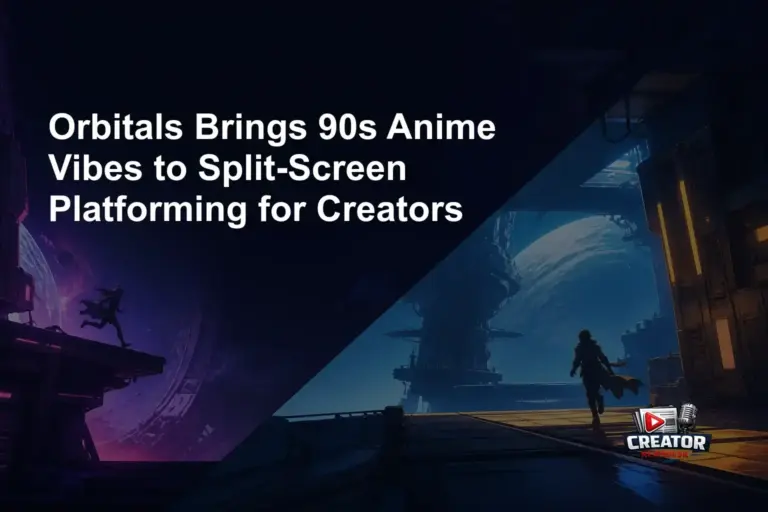
Orbitals has emerged as a standout title for creators seeking nostalgic inspiration, blending split-screen platforming, intricate puzzles, and unmistakable 90s anime influences. Released to positive reception, the game evokes childhood memories through its visual style and cooperative gameplay mechanics, offering a heartfelt homage to a bygone era of animation and interactive design.
For content creators, Orbitals serves as more than just a playable experience—it’s a case study in how retro aesthetics can be modernized without losing emotional resonance. Its split-screen design encourages dynamic storytelling opportunities, ideal for streamers and video creators looking to showcase collaborative gameplay or analyze design choices in real time. The puzzle elements further enrich its appeal, providing layered content for deep dives into game mechanics and player engagement strategies.
Drawing clear inspiration from 90s anime, Orbitals utilizes vibrant color palettes, expressive character animations, and thematic motifs that resonate with audiences who grew up during that era. This nostalgic hook translates well across platforms, enabling creators to tap into shared cultural memories while discussing evolving trends in indie game development. The title’s authenticity lies in its commitment to era-appropriate details, avoiding pastiche in favor of genuine stylistic homage.
From a creator-business perspective, Orbitals exemplifies how niche nostalgia can drive discoverability and community engagement. By aligning with beloved cultural touchstones, indie developers can attract dedicated audiences eager for meaningful, emotionally resonant experiences. Creators covering the game can leverage this angle to explore how sentimentality influences purchasing behavior, content virality, and long-term player retention in the competitive indie landscape.
Ultimately, Orbitals stands as a testament to the enduring power of thoughtful design and emotional storytelling. For creators, it offers both a enjoyable experience and a rich source of material—whether for gameplay footage, design analysis, or discussions about the role of nostalgia in modern media. Its success reinforces the value of looking backward to move forward creatively.
Join the conversation
Load Facebook comments to read and reply using your Facebook account.
