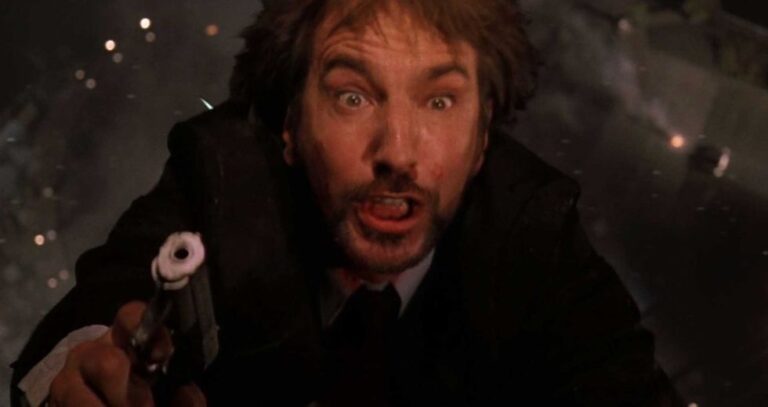
Before 1988, action‑movie antagonists were often reduced to visual shorthand—creepy cat‑cuddlers, hulking brutes, trigger‑happy psychos, or sneering Cold War stand‑ins. Audiences rooted against them largely because of their exaggerated looks rather than any depth of character. This reliance on caricature left little room for nuanced conflict or moral ambiguity in the genre.
Alan Rickman’s debut as Hans Gruber in *Die Hard* shifted that paradigm. Stepping into Nakatomi Plaza, he brought a villain who was intelligent, charismatic, and motivated by clear, albeit criminal, goals. His performance showed that an antagonist could be as compelling as the hero, forcing filmmakers to rethink how they built oppositional forces. The change was immediate and lasting, influencing countless action films that followed.
For content creators, the lesson is clear: a memorable opponent elevates the entire story. Instead of relying on flashy costumes or one‑note traits, invest time in giving villains believable motivations, distinct voices, and relatable flaws creates tension that resonates with audiences. This approach not only enriches the narrative but also encourages viewers to engage more deeply with the plot’s stakes.
Practical steps for creators include drafting a backstory that explains why the antagonist acts the way they do, defining clear objectives that clash with the protagonist’s goals, and allowing moments of vulnerability or humor to humanize the figure. Testing these elements with early audience feedback can reveal whether the villain feels like a genuine threat or a mere obstacle.
By embracing the sophistication that Rickman’s Gruber introduced, creators can craft action‑driven content that stands out in a crowded market. A well‑rounded villain does more than oppose the hero—it drives the story forward, adds thematic weight, and keeps viewers invested from opening scene to final show
Join the conversation
Load Facebook comments to read and reply using your Facebook account.
