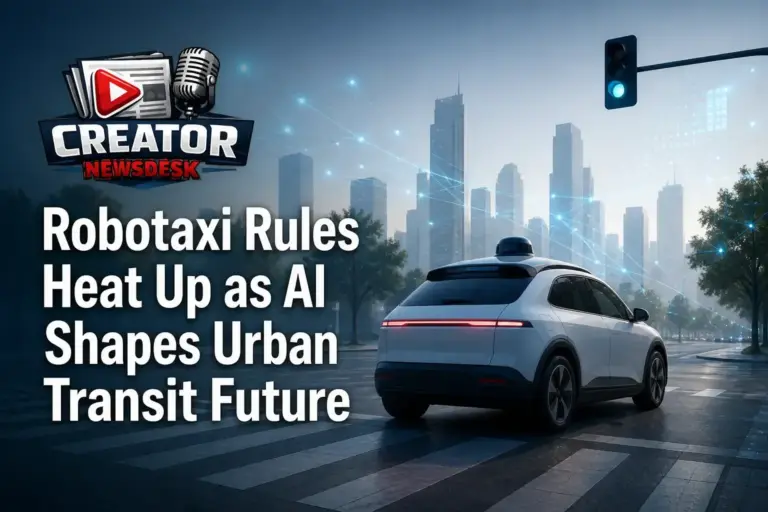
The latest installment of TechCrunch Mobility dives into the escalating debate over robotaxi regulations, highlighting how cities and companies clash over safety, access, and innovation. As autonomous vehicle fleets expand, local governments are grappling with how to regulate these AI-powered services without stifling progress. The showdown underscores a pivotal moment in urban transit, where policy decisions could shape the scalability of robotaxi networks for years to come.
Artificial intelligence is at the core of this battle, enabling robotaxis to navigate complex city environments, optimize routes, and interact with pedestrians and other vehicles. But as AI capabilities advance, so do concerns about accountability, data privacy, and equitable access. Regulators are pushing for transparency in AI decision-making, while tech firms argue that overly restrictive rules could slow deployment and limit public benefits like reduced congestion and emissions.
For content creators in the mobility, tech, and urban innovation spaces, this evolving regulatory landscape offers rich storytelling opportunities. From documenting real-world pilot programs to analyzing how AI ethics intersect with public policy, creators can help audiences understand the trade-offs between innovation and oversight. The outcome of these battles will not only affect transportation but also influence how AI is governed in other high-impact sectors.
As cities become testbeds for autonomous mobility, the conversation is no longer just about technology—it’s about trust, equity, and who gets to shape the future of movement. TechCrunch Mobility continues to track these developments, offering creators the insights needed to stay ahead in a rapidly transforming industry.
Join the conversation
Load Facebook comments to read and reply using your Facebook account.