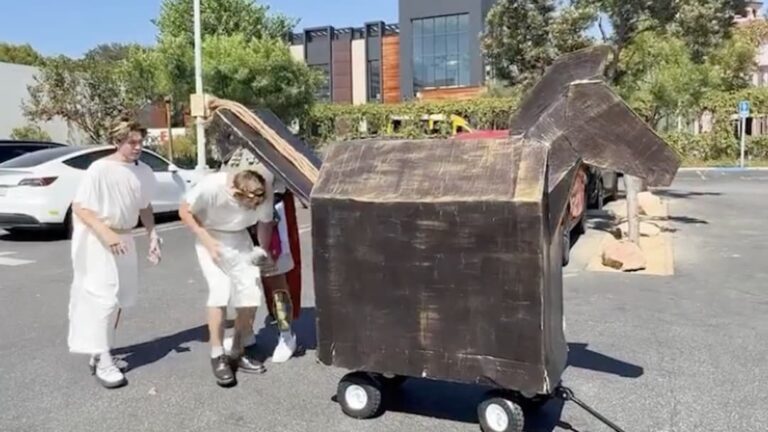
A group of YouTubers gained attention after attempting to sneak into a screening of The Odyssey by hiding inside a large Trojan horse prop, according to a Dexerto report dated July 19, 2026. The stunt was captured in a TikTok video that quickly circulated online, showing the creators transporting the wooden structure to a theater and attempting to pass it off as a set piece or decoration. The video highlights the lengths some content creators go to for engaging, shareable moments that blend humor with pop culture references.
While the summary does not confirm whether the prank succeeded in granting the YouTubers free entry, it underscores a growing trend among digital creators to use elaborate, theme-based stunts to boost visibility on platforms like TikTok. By tying their antics to a major film release — in this case, The Odyssey — the creators leveraged timely relevance to increase the video’s discoverability and appeal to fans of both mythology and cinematic blockbusters.
The incident reflects a broader creator-business strategy where humor, nostalgia, and spectacle are used to cut through algorithmic noise. Rather than relying on traditional reviews or commentary, these YouTubers opted for a physical comedy approach that invites audience participation through disbelief and amusement. Such tactics often result in higher engagement rates, shares, and follower growth, even if the stunt itself is short-lived.
Although no official response from the theater or legal consequences were mentioned in the source, the act raises questions about venue policies and the boundaries of public pranks. Creators frequently walk a fine line between innovative content and trespassing or disruption, especially when involving private businesses like cinemas. This incident serves as a case study in how viral potential can motivate risky or unconventional behavior in pursuit of online attention.
Ultimately, the Trojan horse stunt exemplifies how modern creators blend storytelling, humor, and brand alignment to craft memorable content. While the method may be unconventional, the underlying goal — capturing audience interest in a saturated digital landscape — remains central to the creator economy. As platforms continue to reward novelty, similar stunts are likely to persist, challenging both creators and venues to navigate the evolving rules of engagement.
Join the conversation
Load Facebook comments to read and reply using your Facebook account.
