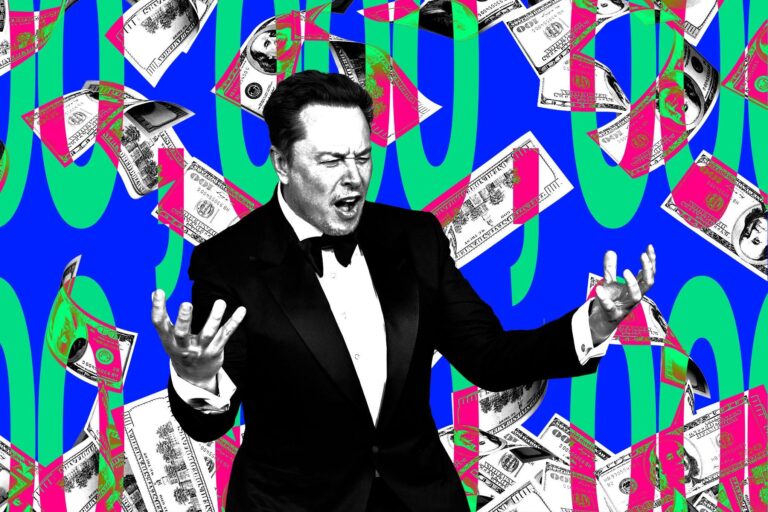
SpaceX’s rapid inclusion in the Nasdaq-100 has sparked debate among investors, particularly those relying on index funds for steady, long-term growth. As a privately held company with a valuation that many analysts consider elevated, SpaceX’s entry into a major index raises questions about how such high-growth, high-risk firms impact traditionally stable passive investment vehicles. Index funds are designed to mirror market performance by holding a broad basket of stocks, offering diversification and lower risk compared to picking individual equities. However, the addition of a company like SpaceX—often described as a “a giant gamble” and “terribly overpriced” in the eyes of some—introduces volatility into funds that creators and everyday investors often rely on for consistency.
For content creators who use index funds as part of their financial strategy, this development underscores the importance of understanding what’s inside the funds they hold. While SpaceX isn’t yet publicly traded, its potential future IPO and fast-track indexing could mean indirect exposure through index-linked ETFs and mutual funds. This shift may affect risk profiles, especially for those seeking stable returns to support irregular creator income.
The move also reflects a broader trend: indices are increasingly incorporating innovative, future-focused companies, even when profitability or public trading status remains uncertain. As the Nasdaq-100 evolves to represent the next generation of tech leaders, investors must weigh the trade-off between growth potential and increased volatility. For creators building long-term wealth, staying informed about index composition changes is key to aligning investments with both financial goals and risk tolerance.
Creators should review their fund holdings to see how much exposure they now have—or may soon have—to companies like SpaceX. Transparency in index construction and regular portfolio rebalancing can help mitigate unintended risk. As the lines between private innovation and public market inclusion blur, informed decision-making becomes more critical than ever for those investing in the creator economy.
Join the conversation
Load Facebook comments to read and reply using your Facebook account.