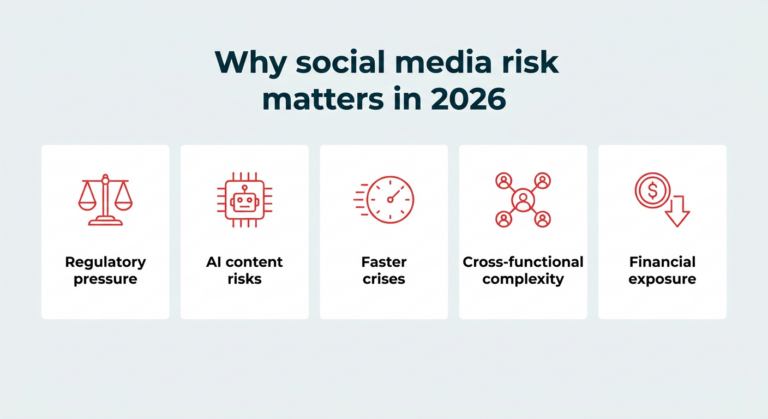
Hootsuite has published a new resource on social media risk management, dated July 29, 2026, designed to help brands navigate an increasingly complex online landscape. The guide, which outlines 5 expert tips, focuses on building a structured plan to shield your brand from security threats and compliance pitfalls. For content creators, this is not corporate jargon—it is a direct roadmap for safeguarding the business you have built.
For a solo creator or a small team, social media is not just a marketing channel; it is the storefront, the product, and the customer service line all in one. A single security lapse—such as a compromised account or a leaked password—can halt content distribution instantly. Similarly, compliance risks, from undisclosed sponsorships to platform-rule violations, can result in demonetization, shadowbanning, or even channel termination. Hootsuite's guidance treats these threats as manageable, not inevitable.
The underlying message of the post is that reactive behavior is no longer viable. Brands and creators who wait for an incident to happen are already behind. A written risk management plan—detailing who handles crises, how credentials are stored, and what content practices align with regulations—turns vague anxiety into a concrete workflow. The 5 expert tips in the report appear designed to help readers build exactly this kind of proactive framework.
For creators, this has a direct business angle. Sponsorship deals and brand partnerships increasingly depend on a clean public record and stable account health. A well-documented risk management approach signals professionalism to potential collaborators. It also protects the intangible asset that matters most: audience trust, which can evaporate overnight following a security breach or compliance scandal.
Creators should read Hootsuite's guidance as a professional benchmark. Whether you are a full-time influencer or a team managing multiple brand accounts, the principles of security and compliance are the same. The resource underscores that growth requires maintenance—and protecting what you have built is as important as expanding it.
Join the conversation
Load Facebook comments to read and reply using your Facebook account.