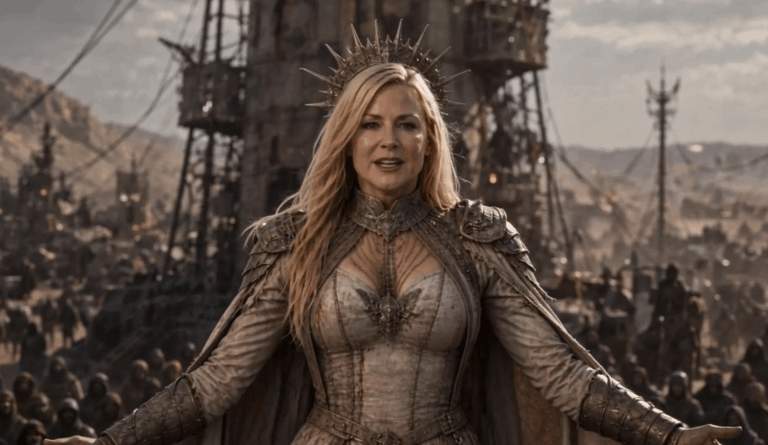
Illustrators have long warned that generative AI startups are training models on their artwork without obtaining permission, describing the practice as tantamount to theft. This ongoing criticism highlights a core tension in the creator economy: the desire for technological advancement clashing with artists’ rights to control how their work is used. The debate has intensified as more creators voice concerns about unauthorized data scraping and the potential devaluation of their original pieces.
In response, many proponents of generative AI argue that access to vast datasets is essential for improving model performance and enabling new creative tools. They contend that restricting training data could hinder innovation and limit the capabilities of AI-driven applications that benefit a broad range of users, from hobbyists to professional studios. This stance frames the issue as a trade‑off between protecting individual creators and advancing a technology that promises widespread artistic and commercial possibilities.
The central question posed by recent coverage is whether offering financial compensation—such as royalties or licensing fees—could persuade artists to accept AI training on their work. If creators received a share of the revenue generated by AI models that incorporate their styles, the ethical objection might shift from outright opposition to a negotiated arrangement. Such a model would require transparent tracking of how specific artworks contribute to AI outputs and a reliable mechanism for distributing payments.
For content creators navigating this landscape, the conversation underscores the importance of staying informed about evolving licensing frameworks and advocating for fair compensation structures. As platforms experiment with opt‑out systems, data‑usage disclosures, and revenue‑sharing proposals, artists and AI developers alike will need to find common ground that respects creative labor while fostering technological progress. The outcome could shape how future AI tools are built, licensed, and monetized across the creator ecosystem.
Join the conversation
Load Facebook comments to read and reply using your Facebook account.
