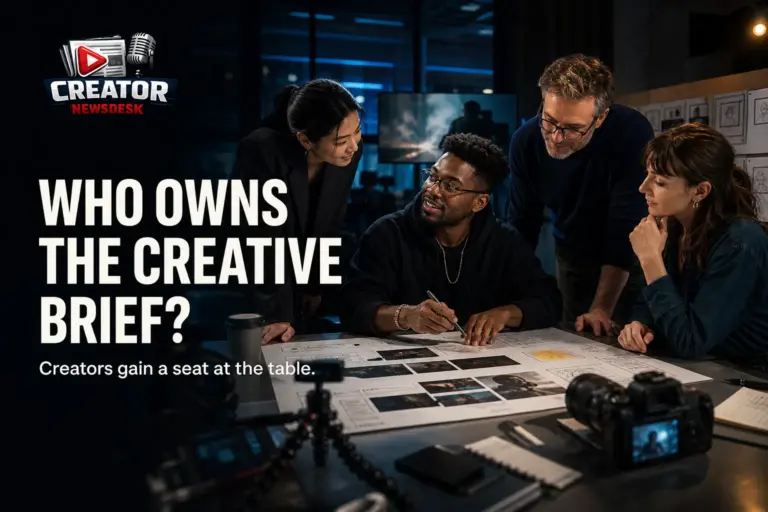
For years, the creative brief has been a top-down document: brands outline the message, the deliverables, and the timeline, and creators execute. But according to a new report from Digiday, that dynamic is shifting. Brands are now moving creators beyond sponsored posts and into the creative process itself, raising a central question: who actually owns the brief?
The Digiday report, published August 3, 2026, highlights a renegotiation of the brand-creator relationship. Rather than treating creators as distribution channels for pre-packaged marketing messages, brands are increasingly involving them in shaping how campaigns come together. This marks a meaningful change in influence over marketing decisions—one that puts creators in a position to impact strategy, not just content output.
For creators, the potential upside is significant. Being brought into the creative process early means more ownership over messaging and a stronger case for long-term partnership rather than one-off transactional posts. It also signals that brands are beginning to recognize the value of a creator's understanding of their audience, their format expertise, and their editorial judgment. A brief co-written with a creator is likely to feel more authentic than one handed down fully formed.
But this shift also introduces new complexities. If creators are helping shape the brief, where does accountability for performance sit? When a campaign's success depends on both the strategy and the execution, lines of responsibility blur. Creators may need to negotiate for clearer agreements around creative control, usage rights, and compensation—especially if their input moves from suggestion to decision-making.
The renegotiation is still evolving, and not every brand will give up creative ownership easily. However, the direction is clear: the creative brief is becoming a collaborative document. For creators, that's an opportunity to be treated as true partners. It comes with a caveat, though—more influence means being deliberate about what they're willing to take ownership of, and at what cost. As this dynamic continues to reshape the creator-brand relationship, those who understand the value of their creative input will be best positioned to benefit.
Join the conversation
Load Facebook comments to read and reply using your Facebook account.