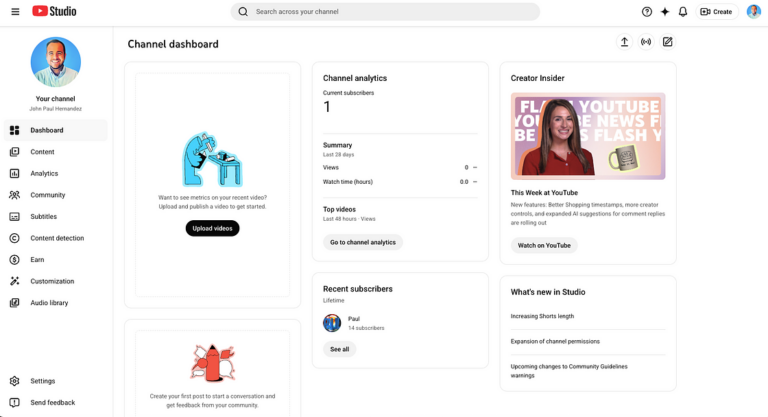
Your YouTube dashboard is more than a reporting screen—it is a decision-making tool that determines whether your video strategy drives real business results or simply accumulates vanity metrics. According to guidance from Sprout Social, the distinction between these two outcomes hinges on how creators structure and use their analytics. The core tension is familiar: high view counts feel rewarding, but they do not necessarily translate into revenue, subscriber growth, or audience loyalty.
YouTube Studio delivers core video management functionality, giving creators a centralized hub for uploading content, monitoring performance, and accessing foundational analytics. Yet the platform's built-in tools are only the starting point. The strategic layer comes from how you interpret that data and what you choose to track beyond the default metrics. For creators operating as businesses, the dashboard should answer specific questions: Which videos convert viewers into subscribers? What content keeps audiences returning? Where does engagement drop off?
The "beyond" in the Sprout Social guidance points to an important reality: a truly strategic dashboard often synthesizes YouTube data with other business signals. This might involve pairing YouTube Studio insights with audience data from other channels, sales or sponsorship tracking, and community feedback. The goal is not more data, but better context—connecting video performance to outcomes that matter for your specific revenue model, whether that is ad revenue, brand partnerships, merchandise, or channel memberships.
For content creators, the practical takeaway is to start with a clear definition of what "business results" means for your channel. Once that definition is in place, you can identify which metrics are meaningful indicators of progress and which are simply noise. A dashboard built around those indicators will reliably guide content decisions, while a dashboard that merely showcases popularity may lead strategy astray.
The value of this approach is that it turns analytics from a passive reporting exercise into an active growth engine. Creators who align their dashboards with business objectives are better positioned to allocate time and resources to the content that actually moves the needle. As the Sprout Social guide suggests, the most effective dashboards are intentional, structured, and connected to real outcomes—not just a collection of numbers that look impressive in a screenshot.
Join the conversation
Load Facebook comments to read and reply using your Facebook account.