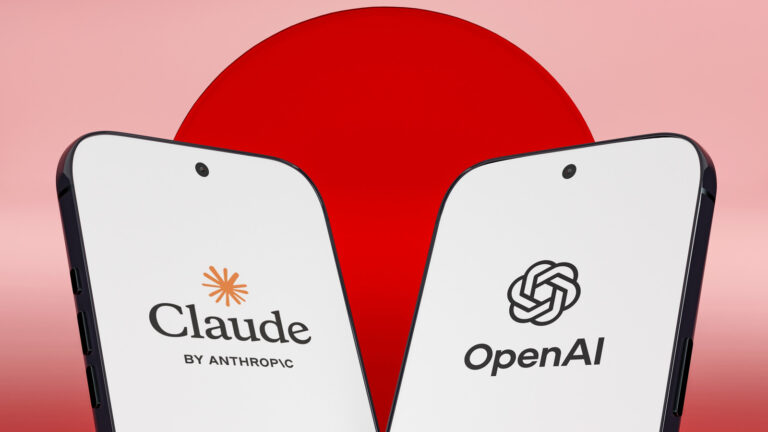
A fresh hands-on comparison from Engadget pits Claude against ChatGPT in a practical breakdown that creators will want to study closely. The headline finding is blunt: when it comes to delivering quality responses and providing a smooth overall user experience, one of these two major AI assistants tends to come up short. For creators who now build daily workflows around AI for scripting, thumbnail ideas, and editing support, that difference is more than academic — it's a matter of output quality and hours saved or wasted.
For content creators, the quality of AI responses directly translates into the amount of rewriting and course-correcting you have to do. A model that gives you vague, overly cautious, or structurally weak drafts can double your prep time on a video script or sponsor brief. Conversely, a tool that understands context and delivers sharp, usable first drafts can fundamentally change how fast you can turn around content for your audience and your channel operations.
The user experience side of the comparison is equally critical for creators juggling multiple projects. The tools creators rely on daily have to be fast, intuitive, and easy to navigate while you're juggling cuts, deadlines, and last-minute client notes. If the interface or response flow is clunky — whether that means convoluted context management, slow replies, or awkward project organization — that friction eats into your creative momentum across everything you produce.
The Engadget breakdown doesn't paint a picture of both assistants being equal, and the takeaway is that choosing a default AI assistant matters. Since the publication went hands-on to compare practical performance, this is a signal to evaluate your own daily AI usage. Rather than force yourself to work around an assistant's weaknesses, run your own side-by-side tests with your actual scripts and prompts.
For creators, an AI assistant should be a multiplier on your creativity, not a bottleneck. If you're building a content pipeline that depends on AI, the smart play is to stay updated on these practical differences, re-test your workflows periodically, and be willing to switch tools if the quality and experience gap is hurting your bottom line. The tools are evolving quickly, but as this comparison shows, not all of them are keeping up with what creators need.
Join the conversation
Load Facebook comments to read and reply using your Facebook account.