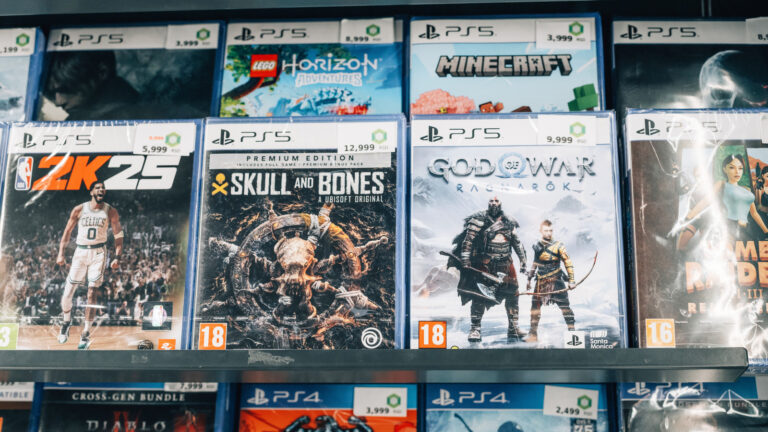
The end of physical game media is coming into sharper focus. According to a report published this week by Engadget, more gaming companies are moving toward stopping production of game discs and cartridges altogether. The question at the center of the industry-wide discussion: Is that a bad thing? For content creators, the answer is complicated.
The most obvious upside for creators is convenience. Digital distribution removes the need to pre-order physical copies or wait for review units to ship. When a title is digital-only, creators can access the game at launch, or even before, without logistical headaches. There is also no risk of a damaged disc or lost cartridge interfering with a streaming schedule. For channels built around day-one coverage, that reliability is arguably worth more than a shelf of plastic cases.
However, the shift comes with real trade-offs that hit the creator economy directly. Physical media has long been a pillar of fan-facing content: unboxings, collection tours, and retro reviews all rely on tangible copies. When a game exists only as a download, those formats become materially harder to produce. Additionally, the resale and rental market for physical games has enabled budget-friendly content on older or niche titles. A digital-only ecosystem removes that secondary market as a resource for creators who build libraries over time.
There is also the archival concern. Physical discs and cartridges, despite their fragility, remain a more durable form of preservation than a storefront shutting down and pulling a title from servers. Creators who specialize in gaming history may find themselves forced to act as their own archivists, capturing footage and documenting software before it becomes permanently inaccessible.
The report stops short of declaring a winner in the disc-versus-digital debate. It frames the transition as a genuine trade-off, with no single right answer. For creators, the takeaway is to stay adaptable: build workflows that work in a digital-first world, but keep an eye on the physical market as a source of unique content. Those who can thrive in both ecosystems will be best positioned as the industry's final transition plays out.
Join the conversation
Load Facebook comments to read and reply using your Facebook account.
