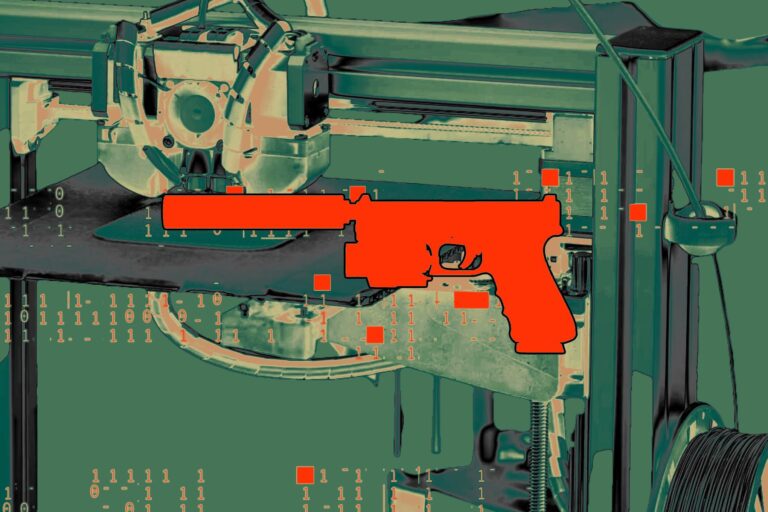
The creator of the world’s first fully 3D-printed gun has announced a new development in the ongoing struggle between regulators and makers over firearm accessibility. According to the announcement, he has devised a method to circumvent government-mandated software intended to block 3D printers from producing gun components. This move marks an early escalation in what is becoming a broader technological and legal tussle over so-called “ghost guns”—firearms assembled from parts made without serial numbers or traditional manufacturing oversight.
The claim centers on overcoming digital safeguards that some jurisdictions have begun requiring in 3D printing software to prevent the fabrication of regulated items like firearms. While the specifics of the workaround were not detailed in the source, the implication is clear: as governments attempt to impose software-based restrictions on consumer fabrication tools, individuals with technical expertise are finding ways to bypass them. This dynamic echoes earlier conflicts in digital rights, where encryption, file sharing, and DRM have sparked similar cat-and-mouse battles.
For content creators and makers, the development raises important questions about the balance between innovation, safety, and regulatory compliance. The ability to produce functional firearm parts using accessible desktop technology continues to challenge existing legal frameworks, which were largely designed around traditional manufacturing and distribution channels. As home fabrication becomes more sophisticated, the line between protected expression and unlawful production grows increasingly blurred.
Regulators, particularly in states like New York where recent legislation has targeted ghost guns, are responding with stricter rules around both the distribution of digital blueprints and the capabilities of printing hardware. Yet enforcement remains difficult in a decentralized ecosystem where designs can be shared globally via the internet and executed on privately owned machines.
This latest move signals that the debate over 3D-printed firearms is far from settled. Rather than a static regulatory issue, it is evolving into an ongoing technological negotiation—one where advances in access and restriction are met with countermeasures in real time. For the creator community, it underscores the growing responsibility that comes with powerful tools: the need to engage thoughtfully with the ethical and legal implications of what can be made, not just what is technically possible.
As the technology matures, so too will the conversations around its use—spanning workshops, online forums, legislative chambers, and now, the quiet hum of a desktop printer in a home workspace.
Join the conversation
Load Facebook comments to read and reply using your Facebook account.
