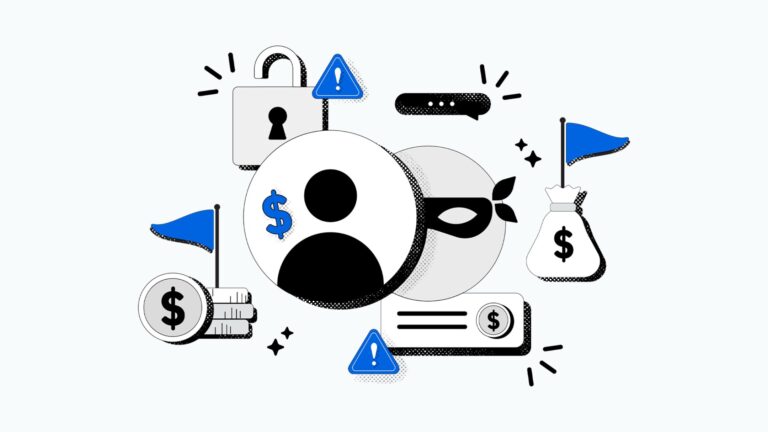
Meta has announced strengthened fraud protection measures in Poland, responding to a rise in scam activity across digital platforms. The initiative addresses deceptive tactics used on dating apps, online games, cryptocurrency services, and SMS messaging—channels increasingly exploited by sophisticated fraudsters seeking to evade detection and steal funds.
The update reflects growing concerns about online safety, particularly for content creators who rely on these platforms for audience engagement and monetization. Scams targeting creators—such as fake brand deals, impersonation, or phishing links—can damage reputation and income. By broadening defenses, Meta aims to reduce the prevalence of fraudulent content and interactions that threaten creator communities.
While specific technical details were not disclosed, the company emphasized its use of advanced detection systems and user reporting tools to identify and remove scam operations. The effort aligns with Meta’s broader global strategy to combat online fraud through proactive monitoring and collaboration with local authorities.
For creators in Poland, the move signals a safer environment for building audiences and running campaigns. Reduced scam activity means fewer disruptions from fake accounts, malicious links, or fraudulent payment requests—common risks when promoting content or managing brand partnerships.
Meta encourages users to remain vigilant and report suspicious activity. The company advises creators to verify official channels, avoid sharing sensitive information, and use platform-provided safety features. As digital economies grow, robust platform-level protections become essential for sustaining trust and creativity online.
Join the conversation
Load Facebook comments to read and reply using your Facebook account.