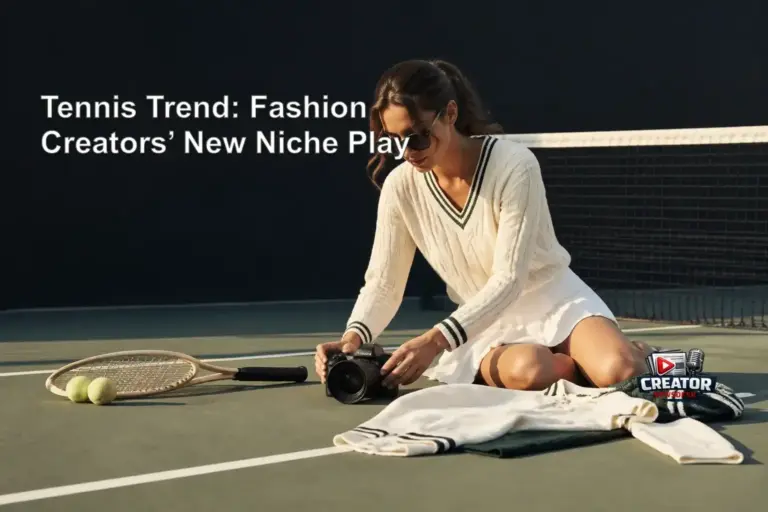
The latest crossover in the creator economy sees fashion influencers trading runway shots for tennis courts. According to a recent Substack analysis by media commentator Simon Owens, this isn't just a stylistic whim—it’s a strategic pivot that carries real business implications for creators and the brands that court them. The trend, flagged on September 1, 2026, suggests tennis’s aesthetic appeal—preppy whites, luxury sportswear, and aspirational leisure—offers a fresh visual language for fashion content. But the deeper question for creators is whether this niche shift translates into sustainable monetization or just a fleeting algorithm play.
For fashion creators, tennis opens a new sponsorship lane. Athletic and lifestyle brands are already investing heavily in activewear and “courtcore” aesthetics, and creators who pivot early can position themselves for deals with racket manufacturers, apparel lines, and even luxury resorts. However, the business case is fragile. Tennis is a saturated sport in media, but not necessarily in fashion influencer circles—which means early adopters can claim authority, provided they produce authentic, non-touristy content. The risk: audiences may see the pivot as a cash grab, especially if creators lack genuine tennis context or history.
The other angle is platform policy and trust. Owens’s piece also touches on a parallel issue: media outlets adopting AI disclosure policies. For creators, this is a cautionary tale. As brands and platforms tighten rules around sponsored content and AI-generated materials, fashion creators who jump into tennis must be transparent about partnerships. A sponsored post that looks like organic enthusiasm—say, a sudden love for a specific racket brand—can trigger audience backlash or even FTC scrutiny if not properly labeled. The tennis trend is a reminder that authenticity is currency; a forced pivot without disclosure erodes long-term trust.
Legally, creators should also vet any tennis-related sponsorship contracts carefully. Many sports brands include exclusivity clauses that can conflict with existing fashion deals. If a creator already partners with a luxury sneaker line, signing a tennis apparel deal might breach terms. The summary doesn’t specify any such cases, but the structural risk is real. Creators should demand clear scope-of-work language and ensure their tennis content doesn’t accidentally violate prior agreements with non-competing brands.
Finally, the audience trust factor is the silent killer. Fashion followers come for style, not sports scores. A sudden flood of tennis content can alienate core fans who see it as off-brand. The smart play is to integrate tennis as a seasonal or thematic sub-niche—say, a “summer court style” series—rather than a full pivot. That keeps monetization options open while preserving the creator’s primary identity. As Owens hints, the trend’s longevity depends on whether creators treat it as a business extension or a gimmick. The data will tell within a few quarters.
For now, the practical takeaway: tennis is a viable sponsorship door, but only for creators who can bridge fashion and sport authentically, disclose deals transparently, and avoid contractual landmines. The rest will be left serving aces to an audience that never asked for them.
Join the conversation
Load Facebook comments to read and reply using your Facebook account.
