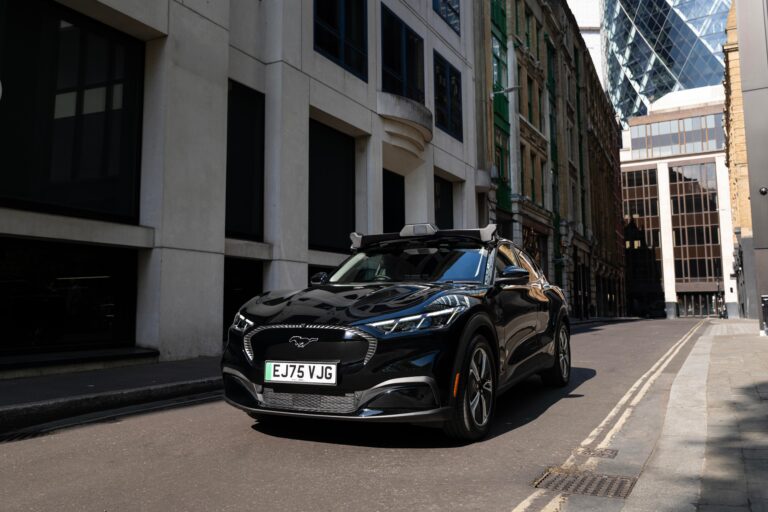
Uber has launched the first commercial robotaxi service in London, marking a significant milestone in the city’s adoption of autonomous transportation. The service, which went live on September 2, 2026, uses self-driving technology developed by Wayve, a UK-based artificial intelligence startup specializing in end-to-end deep learning for autonomous driving. This gives Uber a first-mover advantage over competitors like Waymo in one of Europe’s most complex urban environments.
Initially, the robotaxis will operate with safety drivers behind the wheel, a standard precaution during early deployment phases to ensure passenger safety and regulatory compliance. The vehicles are designed to navigate London’s dense traffic, narrow streets, and unpredictable pedestrian behavior using Wayve’s AI system, which learns from real-world driving data rather than relying heavily on high-definition maps. This approach aligns with Wayve’s strategy of creating adaptable, scalable autonomy suited to diverse cities.
For content creators focused on tech, mobility, and innovation, this launch offers a tangible case study in how partnerships between ride-hailing giants and agile AI startups can accelerate real-world deployment of autonomous systems. It also highlights London’s growing role as a testing ground for advanced mobility solutions in Europe.
Uber’s move underscores its broader strategy to integrate autonomous vehicles into its platform long-term, reducing reliance on human drivers while enhancing service efficiency. As the service expands and safety drivers are eventually phased out, creators can monitor developments in public perception, regulatory evolution, and technological performance—key narratives shaping the future of urban transport.
Join the conversation
Load Facebook comments to read and reply using your Facebook account.