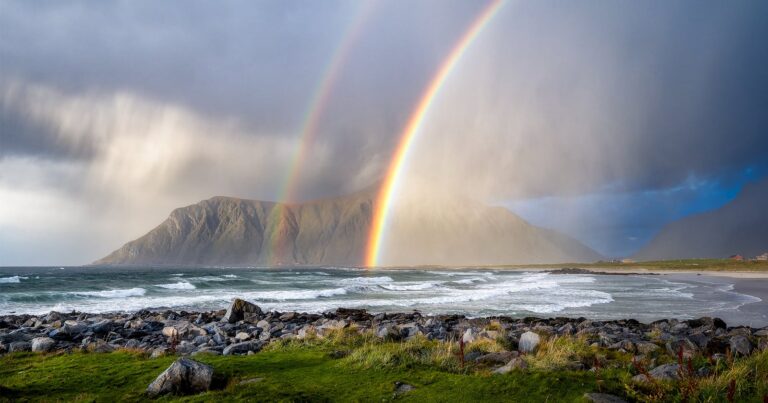
Photographer Matt Suess demonstrates that compelling landscape images aren’t limited to golden hour. After most visitors leave the viewpoint parking lot at Grand Teton National Park, Suess remains, focusing on the western horizon as light evolves post-sunset. His patience pays off when subtle color emerges approximately thirty minutes after sunset, revealing a quieter, often overlooked phase of daylight.
This approach highlights a key strategy for content creators: staying in place after peak lighting hours can yield unique results. By observing how light transitions, photographers can capture moods and tones absent during brighter periods. Suess’s method emphasizes anticipation and familiarity with a location’s behavior across different times.
For creators aiming to diversify their portfolios, this technique offers a practical way to maximize time on site. Rather than chasing ideal light, understanding ambient shifts allows for consistent shooting throughout the day. The Grand Teton example shows how delayed color can produce striking images without relying on traditional peak moments.
The practice also supports sustainable content creation—reducing the need to constantly relocate in search of perfect conditions. Instead, creators deepen their connection to a single spot, learning its rhythms and visual potential over hours. This mindset shift from chasing light to observing it can improve both technical skill and artistic vision.
Ultimately, Suess’s routine reinforces that landscape photography rewards persistence. By extending shooting sessions beyond conventional windows, creators unlock new creative possibilities. The takeaway is clear: some of the most distinctive images emerge not in the spotlight of golden hour, but in the quiet minutes that follow.
Join the conversation
Load Facebook comments to read and reply using your Facebook account.