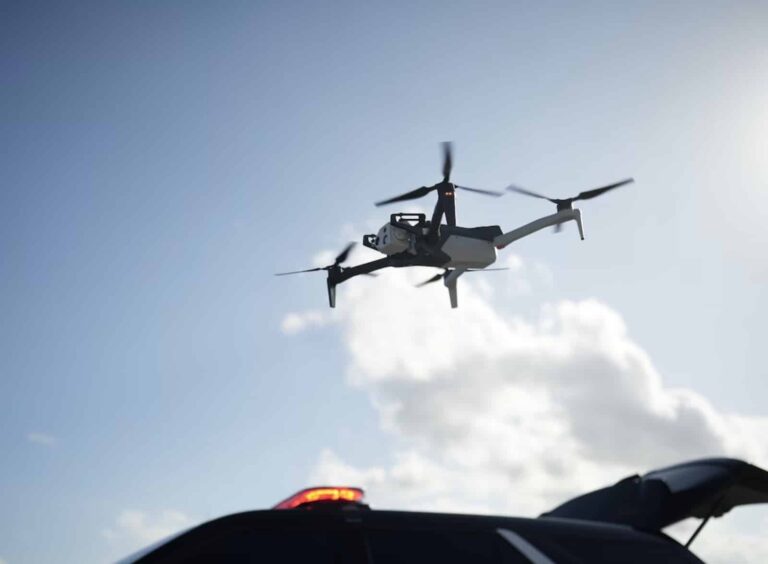
Ohio’s HB 251 police drone law is set to take effect on October 6, establishing a statewide framework for how law enforcement agencies may use unmanned aircraft. The legislation outlines permissible uses and sets certain limits, but it does not uniformly prohibit all controversial applications.
In advance of the state law’s activation, Cleveland has already implemented its own drone policy for the Skydio X10 systems it operates. According to the department’s rules, these drones are barred from conducting facial recognition scans, surveilling protests, and carrying any form of weaponry.
Cleveland’s local restrictions go beyond what the Ohio statute currently allows, creating a stricter ceiling for police drone activity within the city limits. While HB 251 may permit some surveillance or data‑collection practices that Cleveland’s policy explicitly forbids, the city’s approach demonstrates a precautionary stance aimed at protecting civil liberties.
For content creators, this distinction matters when filming protests, public gatherings, or any event where police drones might be present. In Cleveland, creators can expect that law‑enforcement drones will not be using facial recognition technology or armed payloads, which may affect expectations around privacy and safety. However, creators should remain aware that other jurisdictions in Ohio may follow the state’s broader allowances, leading to a patchwork of rules across the state.
Staying informed about both state and local drone policies helps creators plan shoots, assess risk, and understand their rights when operating near law‑enforcement aviation. As the October 6 date approaches, monitoring updates from both the Ohio legislature and individual police departments will be essential for anyone capturing footage in public spaces.
Join the conversation
Load Facebook comments to read and reply using your Facebook account.