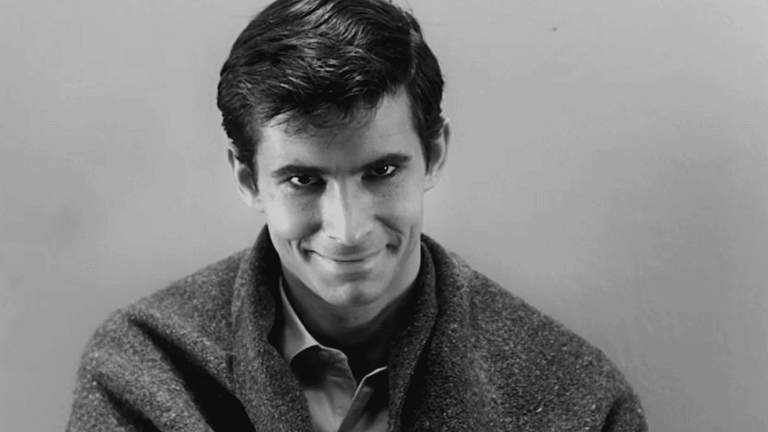
Alfred Hitchcock’s 1960 thriller "Psycho" marked a turning point in horror cinema, introducing audiences to unprecedented levels of psychological tension and visceral storytelling. Its infamous shower scene, combined with Anthony Perkins’ chilling portrayal of Norman Bates and Janet Leigh’s compelling performance, set a new benchmark for suspense and character-driven horror. The film’s innovative use of editing, score, and narrative subversion continues to resonate across generations of filmmakers.
Decades later, "Psycho" remains a foundational reference point for creators exploring fear, identity, and madness on screen. Its influence can be traced through numerous works that adopt its tonal shifts, unreliable narratives, and focus on psychological unraveling rather than relying solely on gore. The film proved that horror could be both intellectually engaging and emotionally devastating, opening doors for more sophisticated genre entries.
According to coverage from No Film School published on September 25, 2026, four specific movies have drawn clear inspiration from Hitchcock’s landmark film. While the source does not detail each title, it underscores how "Psycho" reshaped audience expectations and paved the way for horror that prioritizes atmosphere, twist-driven plots, and complex antagonists. These films echo its legacy by blending terror with deep character studies.
For content creators, studying "Psycho" offers valuable lessons in pacing, misdirection, and the power of suggestion. Its enduring impact demonstrates how bold directorial choices—like killing off a seemingly central character early—can redefine genre conventions. As horror continues to evolve, Hitchcock’s classic remains a vital touchstone for anyone aiming to craft stories that linger long after the screen goes dark.
Join the conversation
Load Facebook comments to read and reply using your Facebook account.