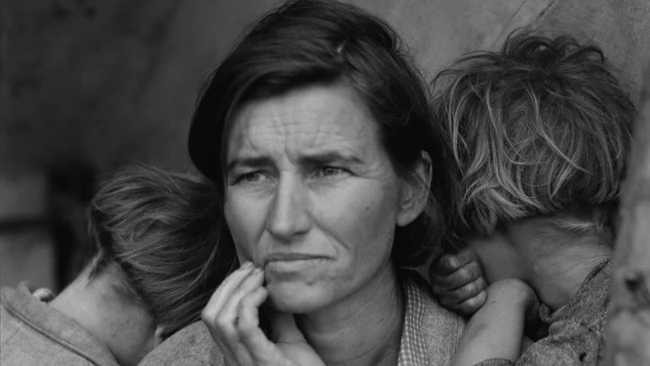
The photograph known as “Migrant Mother” remains one of the most recognizable images of the Great Depression. Taken by Dorothea Lange in March 1936, it captures Florence Owens Thompson, a migrant farmworker, in a California pea field. According to the source, Lange spent about ten minutes with Thompson during the session, and the subject said almost nothing.
Despite the image’s eventual fame, Thompson reportedly wished the picture had never been taken. The summary notes that she never earned a cent from the portrait, even as it circulated widely and became a symbol of hardship and resilience. This disconnect between the subject’s experience and the image’s public legacy raises important questions for today’s creators.
For photographers, videographers, and digital artists, the story underscores the need to secure clear consent and discuss how a subject’s likeness may be used. Even when a subject is hesitant or silent, creators should consider the long‑term implications of publishing their work. Understanding usage rights, compensation, and the subject’s wishes can help avoid ethical dilemmas.
The case also highlights how historical images can take on lives of their own, sometimes diverging from the original context or the subject’s personal feelings. Creators who reuse or reference archival photos should research the background, seek permission when possible, and acknowledge any known controversies or discomfort tied to the material.
Ultimately, the legacy of “Migrant Mother” serves as a reminder that behind every iconic frame lies a human story. By honoring the subject’s perspective and practicing transparent, respectful workflows, modern creators can produce work that is both impactful and ethically sound.
Join the conversation
Load Facebook comments to read and reply using your Facebook account.
