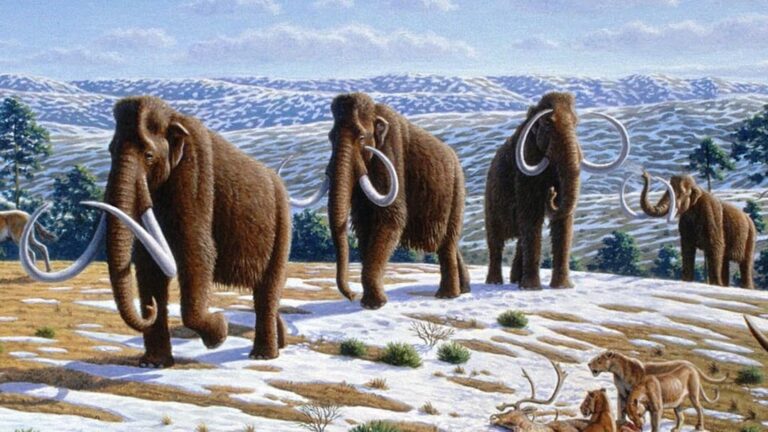
Colossal Biosciences has revised its timeline for creating the first woolly mammoth-like calf, now targeting the early 2030s instead of an earlier projected date. The company, which uses advanced AI and gene-editing technologies to engineer elephants with mammoth traits, announced the delay without specifying the exact reasons, though such projects typically face hurdles in genetic accuracy, embryo development, and surrogate viability.
The effort to resurrect mammoth traits centers on editing the genome of Asian elephants to express characteristics like thick fur, fat deposits, and cold-adapted blood—traits identified from preserved mammoth DNA. AI plays a key role in analyzing genetic data and predicting which edits will yield the desired phenotypic outcomes.
For creators and tech enthusiasts, the project represents a high-profile intersection of artificial intelligence, synthetic biology, and speculative science. While no live mammoth has been produced yet, Colossal’s work continues to draw attention for its ambitious goals and potential implications for conservation genetics and biodiversity restoration.
The delay underscores the complexity of de-extinction efforts, even with cutting-edge tools. Colossal has previously indicated plans to eventually reintroduce mammoth-like creatures into Arctic tundra environments to help restore grassland ecosystems, a goal that remains long-term.
As of September 2026, the company has not released updated details on embryo progress or funding milestones, but the revised timeline reflects a more cautious approach to achieving a biologically functional proxy for the extinct woolly mammoth.
Join the conversation
Load Facebook comments to read and reply using your Facebook account.
