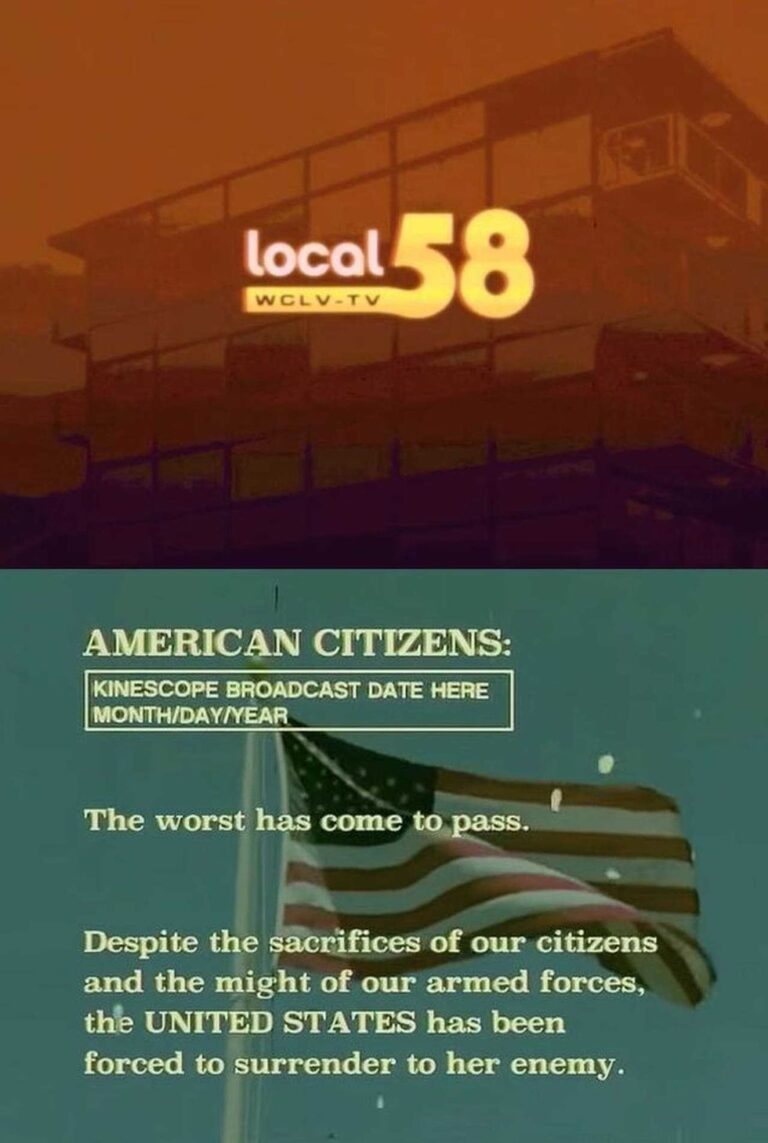
When crafting a horror story, writers unconsciously agree to an unspoken rule: they position themselves as observers, often omniscient, recounting events after they’ve occurred. This narrative stance shapes how audiences experience fear and tension, yet many creators overlook its impact. The framing device isn’t just a technical choice—it’s a psychological contract with the reader or viewer.
In screenwriting, this observer role becomes even more critical, as visual storytelling relies on implied perspectives to build suspense. Getting the framing wrong can distance audiences or weaken the horror’s effectiveness, even if the plot is strong. Creators must ask: Who is telling this story, and why does it matter now?
The answer affects pacing, reliability, and emotional resonance. A poorly chosen frame can make a story feel detached or confusing, undermining the very scares it aims to deliver. Horror thrives on immediacy and vulnerability—elements that depend on a clear, intentional narrative lens.
For content creators in film, writing, or digital media, understanding this subtle but foundational aspect of storytelling is essential. It’s not just about what happens in the story, but how and from whose perspective it’s revealed. Mastering the framing device means stronger engagement and more impactful horror.
This insight, highlighted in a recent No Film School discussion, reminds creators that technical precision in narrative voice isn’t optional—it’s central to effective horror storytelling. Revisiting your story’s observer role could be the key to unlocking deeper fear and connection.
Join the conversation
Load Facebook comments to read and reply using your Facebook account.
