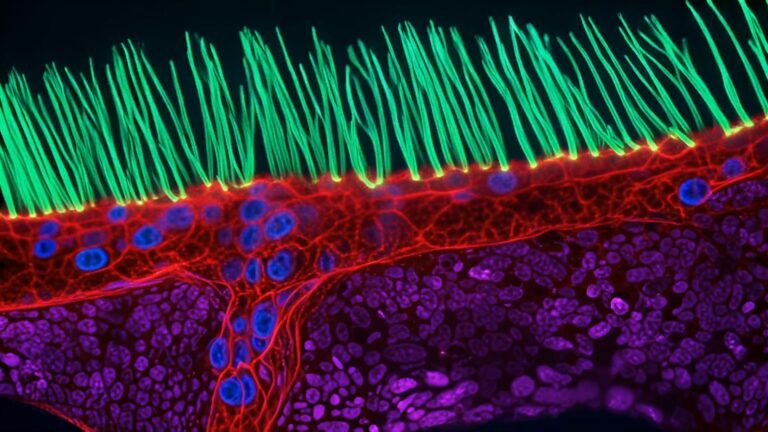
Nikon is investigating allegations that the winning entry in its annual microscope video contest was created using artificial intelligence. Critics have pointed to unusual movements in the cellular footage as evidence of AI generation, sparking debate within the scientific imaging community. The contest, which highlights advancements in microscopic visualization, awarded first prize to a video depicting airway cells in motion within a child’s body at 100x magnification. The footage, released last month, initially garnered widespread attention for its detailed portrayal of biological activity. Now, Nikon confirms it is reviewing the submission following concerns raised by experts who question the authenticity of the observed cilia behavior. The company emphasizes its commitment to integrity in scientific imaging and states that any findings from the investigation will be shared appropriately. As a leader in optical technology, Nikon continues to support its Z-mount system across photography and videography platforms, though this incident focuses specifically on its microscopy initiatives. The outcome of the review may influence future guidelines for digital manipulation in scientific competitions hosted by the brand. Nikon urges participants and viewers to await the conclusion of its internal assessment before drawing final judgments. The case underscores growing challenges in distinguishing AI-generated content from genuine scientific capture, even in highly specialized fields like microscopy. For now, the prize remains pending pending the outcome of the investigation. Nikon has not accused the creator of misconduct but stresses the importance of verifying submissions against established contest rules. The situation highlights the expanding intersection of AI, imaging technology, and ethical standards in creator and scientific communities. Nikon reaffirms its dedication to fostering authentic innovation in visual storytelling through both consumer and professional tools. The company invites further dialogue on maintaining trust in digital media as detection methods evolve. No penalties or disqualifications have been issued at this stage. The investigation remains ongoing, with no timeline yet provided for completion. Nikon encourages all stakeholders to prioritize transparency in the pursuit of scientific and artistic excellence. The firm continues to advance its imaging solutions, including those compatible with its Z-mount ecosystem, while addressing emerging challenges in media verification. This episode serves as a reminder of the responsibilities that come with technological advancement in image capture and analysis. Nikon remains committed to upholding the credibility of its platforms and competitions. The company will communicate updates as they become available through official channels. Until then, the microscopy community watches closely for a resolution that balances innovation with integrity. The case may set a precedent for how imaging contests navigate the rise of generative AI in technical domains. Nikon’s response will be critical in shaping future standards for authenticity in scientific visual media. The firm’s actions reflect its broader role as a steward of ethical imaging practices in both amateur and professional spheres. For now, the focus rests on ensuring that celebrated work meets the rigorous expectations of the scientific and creative audiences Nikon serves. The company’s legacy in precision optics informs its approach to this evolving challenge. Nikon’s Z-mount system, while unrelated to microscopy, remains a cornerstone of its vision for high-performance imaging across disciplines. The brand continues to balance innovation with accountability in an era of rapidly shifting media landscapes. Trust, Nikon asserts, must be earned through verifiable results, especially when the science is seen—and believed—by millions.
Join the conversation
Load Facebook comments to read and reply using your Facebook account.