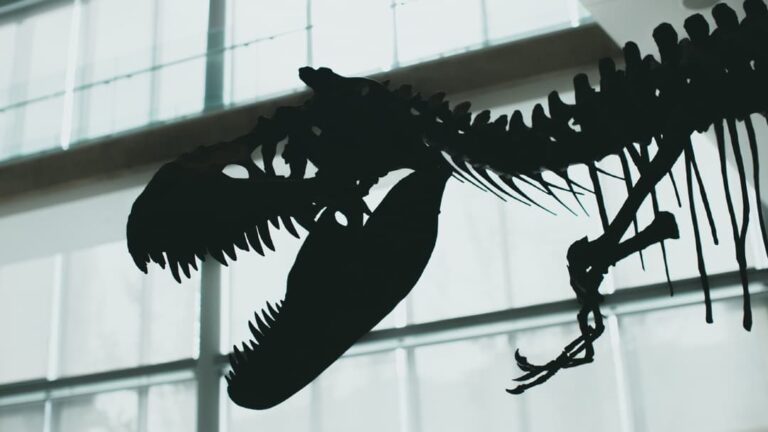
Paleontologists have announced the identification of a new species of tyrannosaur based on fossil remains discovered in Canada. The finding was detailed in a recent journal article published online, marking a significant addition to the known diversity of tyrannosaurid dinosaurs from the Late Cretaceous period. While the source summary does not specify the exact location within Canada or the geological formation involved, the discovery contributes to ongoing research into the evolution and distribution of apex predators in prehistoric ecosystems.
The new tyrannosaur expands the growing list of distinct species within the tyrannosaur family, which includes well-known genera such as *Tyrannosaurus rex*, *Albertosaurus*, and *Daspletosaurus*. Each new find helps scientists refine their understanding of how these predators varied across regions and time periods, particularly in western North America, where many tyrannosaur fossils have been uncovered. The Canadian specimen likely lived during the Campanian or Maastrichtian stages of the Late Cretaceous, approximately 70 to 66 million years ago.
Although the summary does not include details about the fossil’s size, skull morphology, or unique anatomical traits that distinguish this new species, such information is typically revealed in the full publication. These characteristics are critical for determining how the dinosaur relates to other tyrannosaurs and whether it represents a northern or southern lineage within the group. Comparative analysis with existing fossils will help paleontologists place it accurately within the tyrannosaur family tree.
For content creators in science, education, and entertainment niches, this discovery offers fresh material for engaging storytelling. Dinosaur-related content continues to perform well across platforms like YouTube, TikTok, and podcasts, especially when tied to new scientific findings. Creators can leverage this news to produce explainer videos, fossil dig simulations, or discussions about how paleontologists identify new species from fragmentary remains.
The announcement underscores Canada’s growing importance in paleontological research, particularly in provinces like Alberta and Saskatchewan, which are rich in Cretaceous fossil beds. As more fieldwork is conducted and advanced imaging techniques are applied to existing collections, the likelihood of additional tyrannosaur discoveries remains high. This find serves as a reminder that even well-studied dinosaur groups still hold secrets waiting to be uncovered.
Join the conversation
Load Facebook comments to read and reply using your Facebook account.