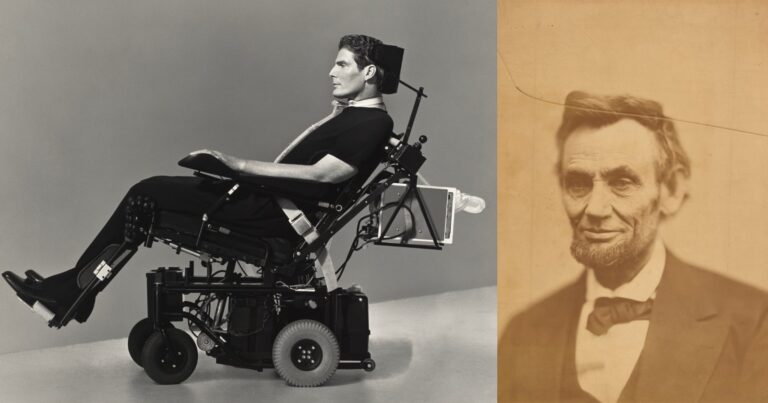
The Smithsonian’s National Portrait Gallery is commemorating the 50th anniversary of its photography collection, a milestone that underscores the medium’s growing importance in American cultural institutions. Founded half a century ago, the collection has expanded significantly and now constitutes nearly half of the museum’s total holdings, reflecting photography’s central role in portraiture and historical documentation.
This anniversary highlights the gallery’s long-term commitment to preserving and showcasing photographic works that capture influential figures across generations. From early daguerreotypes to contemporary digital images, the collection traces the technological and artistic evolution of photography as a tool for storytelling and identity.
For content creators, the milestone serves as a reminder of photography’s enduring value in visual narrative and archival practice. The gallery’s emphasis on collecting portraits—whether analog or digital—aligns with current creator interests in authentic representation, historical context, and the preservation of visual culture.
The celebration also invites reflection on how institutions adapt to new media while maintaining rigorous collecting standards. As digital photography becomes increasingly prevalent, the National Portrait Gallery’s approach offers insight into how museums balance tradition with innovation in building meaningful collections.
While specific exhibition details or acquisitions were not disclosed in the source, the anniversary itself signals ongoing investment in photography as a vital art form. Creators working in portraiture, documentary, or historical storytelling may find inspiration in the gallery’s sustained dedication to the medium over five decades.
Join the conversation
Load Facebook comments to read and reply using your Facebook account.