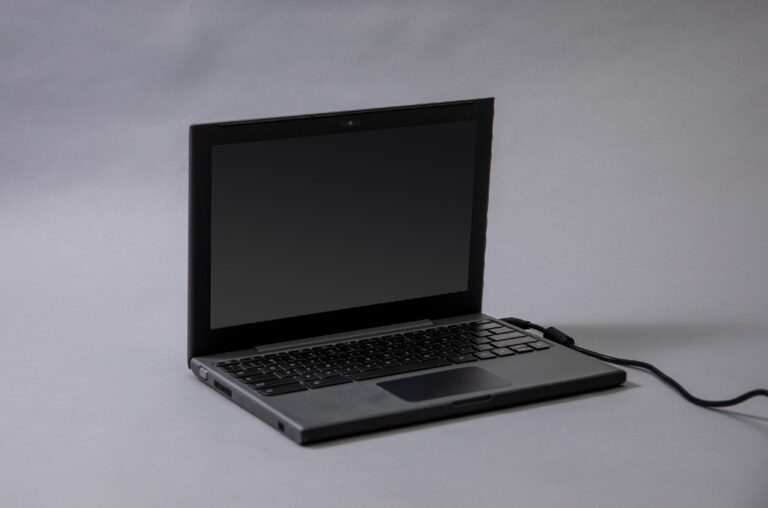
Long before Chromebooks became a staple in classrooms and offices, Google tested its vision for a web-centric computer with a humble prototype known as the Cr-48. Unveiled in 2010, the device bore no Chromebook branding, flashy logos, or consumer-oriented design. It was never meant to sit on retail shelves. Instead, Google distributed the Cr-48 to developers, educators, and tech enthusiasts as a pilot program to explore a radical idea: a computer defined not by its hardware, but by its seamless integration with the web.
The Cr-48 ran an early version of Chrome OS, emphasizing speed, simplicity, and cloud reliance. Its unassuming appearance—matte black, minimalist build—reflected Google’s focus on function over form during this experimental phase. By stripping away traditional operating system complexities, the Cr-48 aimed to demonstrate that everyday computing could happen entirely within a browser, reducing reliance on local storage and software installations.
For creators, the Cr-48 represents a pivotal moment in the evolution of tools designed for accessibility and efficiency. Though not built for heavy media editing, its core philosophy paved the way for later Chromebooks that now support creative workflows through web-based apps, Android integration, and Linux support. The prototype underscored Google’s belief that the future of computing lies in ubiquity, simplicity, and constant connectivity—principles that continue to shape devices used by writers, designers, and educators today.
Though forgotten by many, the Cr-48 was more than a test unit. It was the first tangible step toward redefining what a laptop could be, proving that innovation sometimes begins not with a product launch, but with a quiet experiment in possibility.
Join the conversation
Load Facebook comments to read and reply using your Facebook account.
