Fujifilm continues to earn praise from creators for its exceptional color science and distinctive retro-inspired design—qualities that keep photographers coming back to models like the X-H1 and beyond. Even as newer technologies emerge, many find that older Fujifilm bodies still deliver outstanding image quality and a shooting experience that feels both classic and reliable. This enduring performance makes the decision to upgrade less about necessity and more about evolving creative goals.
For creators weighing whether to hold onto a trusted Fujifilm X-T or GFX model or move toward something faster, the choice often comes down to workflow demands rather than image capability. The X-T series remains celebrated for its compact form, intuitive controls, and film simulation modes that reduce post-processing time—ideal for street, travel, and hybrid shooters. Meanwhile, the GFX medium-format line offers unmatched detail and tonal depth, making it a favorite among portrait and landscape artists who prioritize image fidelity over speed.
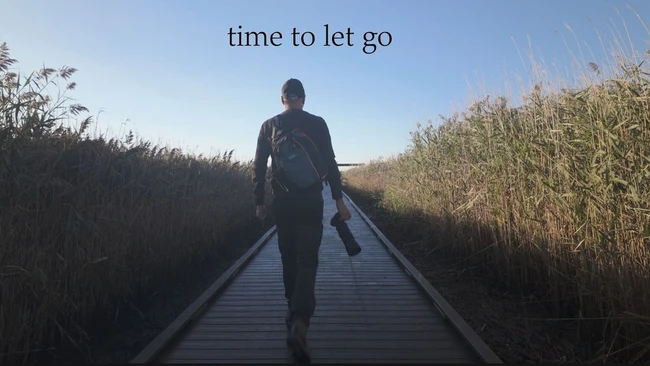
The emotional and practical weight of owning gear that “still works” and “still makes good pictures” plays a real role in upgrade decisions. As noted in recent discussions, many creators experience a sense of guilt when considering selling gear that’s seen little use but remains fully capable. Yet, when creative ambitions shift—whether toward faster burst rates, improved autofocus, or enhanced video features—upgrading can renew motivation and expand artistic possibilities.
Ultimately, Fujifilm’s strength lies in building cameras that age gracefully, both in function and feel. For Creator Newsdesk readers, the X-T and GFX lines represent more than just tools—they’re investments in a photographic experience that values consistency, character, and craft. Whether keeping a trusted body or stepping up, the Fujifilm ecosystem supports a thoughtful, intentional approach to gear evolution.
Join the conversation
Load Facebook comments to read and reply using your Facebook account.
