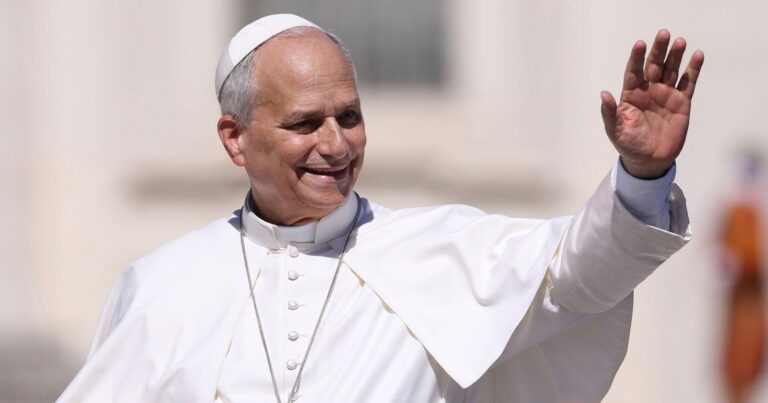
Pope Leo has reiterated his concern over the growing use of artificial intelligence in art creation, emphasizing that algorithms cannot replicate the essential spark of human creativity. Speaking on behalf of the Roman Catholic Church, he stated that the institution “needs” human artists to produce meaningful work, underscoring a belief that true artistry arises from lived experience, emotion, and moral consciousness—qualities he argues AI fundamentally lacks.
His remarks come amid ongoing debates in the creative community about the role of AI tools in visual arts, music, and writing. While many creators use AI as a collaborator or efficiency aid, the Pope’s stance reflects a broader philosophical and ethical concern about authenticity in artistic expression. For content creators, this highlights the continuing tension between technological innovation and the preservation of human-centric storytelling.
The Vatican has not introduced new policies restricting AI use, but the Pope’s comments signal a clear preference for human-driven creativity in religious and cultural contexts. This perspective may influence how faith-based organizations approach digital media, potentially favoring commissions from human artists over AI-generated alternatives for liturgical, educational, or outreach materials.
For independent creators and studios working in digital art, animation, or design, the statement serves as a reminder that audiences—particularly those within traditional or religious communities—may still place higher value on work perceived as authentically human. As AI continues to evolve, the dialogue around its place in creative processes remains active, with voices like the Pope’s adding weight to calls for thoughtful, intentional use of technology in art.
Join the conversation
Load Facebook comments to read and reply using your Facebook account.