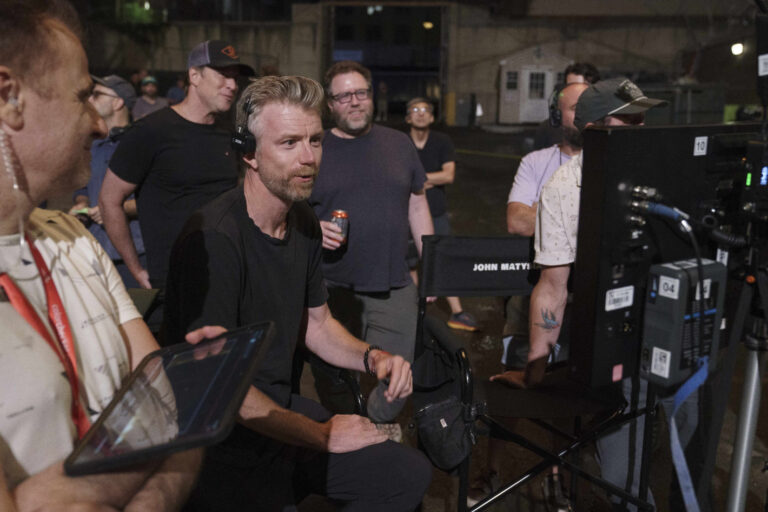
Cinematographer John Matysiak has revealed how Astera lighting systems played a key role in shaping the visual identity of the upcoming film “Motor City.” Speaking with ProVideo Coalition, Matysiak described using the LED fixtures to achieve a vivid, neon-soaked atmosphere that captures the kinetic energy and gritty charm of 1970s Detroit. The film, which features a largely wordless narrative, relies heavily on visual storytelling to convey mood and movement.
To recreate the era’s distinctive aesthetic, Matysiak combined practical lighting with VFX enhancements, layering Astera’s programmable RGB units to simulate the glow of streetlights, diner signs, and passing traffic. This approach allowed for dynamic color shifts and immersive ambiance without overpowering the naturalistic 35mm film look. The cinematographer emphasized that the goal was not just visual flair, but emotional resonance—using light to mirror the internal states of characters portrayed by Alan Ritchson, Ben Foster, and Shailene Woodley.
The use of Astera lights reflects a growing trend among indie and mid-budget filmmakers seeking flexible, high-quality lighting solutions that bridge the gap between practical effects and digital post-production. By integrating these tools early in the shooting process, Matysiak was able to reduce reliance on heavy VFX work while maintaining creative control over color and tone on set. This workflow supports both efficiency and artistic precision, particularly valuable in projects with tight schedules or limited resources.
“Motor City” aims to stand out not only for its star-studded cast but for its commitment to tactile, light-driven storytelling. Matysiak’s technique demonstrates how modern LED technology, when thoughtfully applied, can serve period aesthetics rather than contradict them. The film’s visual language—rooted in neon, motion, and mood—offers a case study in how lighting design can drive narrative in dialogue-minimal cinema.
As the film moves toward release, its approach may influence how creators approach era-specific projects, proving that tools like Astera aren’t just for music videos or events, but can be integral to cinematic world-building. For content creators and cinematographers, “Motor City” offers a compelling example of blending vintage inspiration with contemporary tools to achieve a distinctive, emotionally resonant look.
Join the conversation
Load Facebook comments to read and reply using your Facebook account.