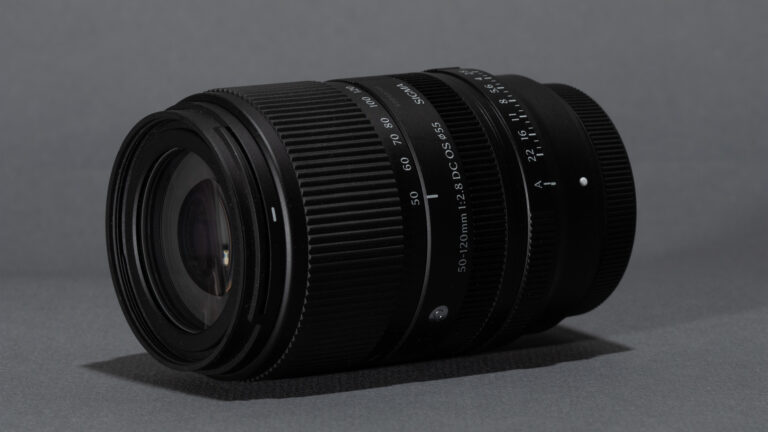
Sigma has announced a new 50-120mm f/2.8 OS DC lens built for APS‑C sensor cameras, priced at $799. The release targets photo and video creators who need a versatile telephoto range without breaking the bank. By positioning the lens in the sub‑$800 segment, Sigma aims to attract both enthusiasts and semi‑professionals looking for high‑performance optics at an accessible cost.
The optical design provides a 35mm‑equivalent focal range of roughly 75‑180mm when used on APS‑C bodies. This range is ideal for portraiture, event coverage, and certain types of wildlife or sports footage where a tighter framing is beneficial. The constant f/2.8 aperture throughout the zoom range supports low‑light shooting and shallow depth‑of‑field effects, which are valuable for creators seeking cinematic looks.
Sigma incorporates its Optical Stabilizer (OS) technology in this model, helping to reduce camera shake at longer focal lengths. The summary notes that the lens is “smaller than you can believe,” suggesting a compact form factor that enhances portability for creators who travel or work in tight spaces. A lighter, more manageable lens can make handheld video shoots and extended photo sessions less fatiguing.
Availability is planned for most of the popular lens mounts, meaning creators using systems such as Sony E, Canon RF, Nikon Z, Fujifilm X, and others will likely be able to adopt the lens without needing adapters. This broad compatibility simplifies gear decisions for creators who shoot across multiple platforms or who may upgrade their camera bodies in the future.
At $799, the lens sits in a competitive price bracket for a constant‑aperture zoom with stabilization on APS‑C. It offers a cost‑effective alternative to higher‑priced professional lenses while still delivering key features that matter to content creators: fast aperture, optical stabilization, and a useful focal range.
Overall, Sigma’s 50-120mm f/2.8 OS DC appears poised to become a go‑to option for creators who want a flexible, lightweight, and affordable telephoto zoom for both stills and video. Its launch later in 2026 could influence purchasing decisions across the APS‑C ecosystem, especially for those prioritizing value without sacrificing essential performance.
Join the conversation
Load Facebook comments to read and reply using your Facebook account.