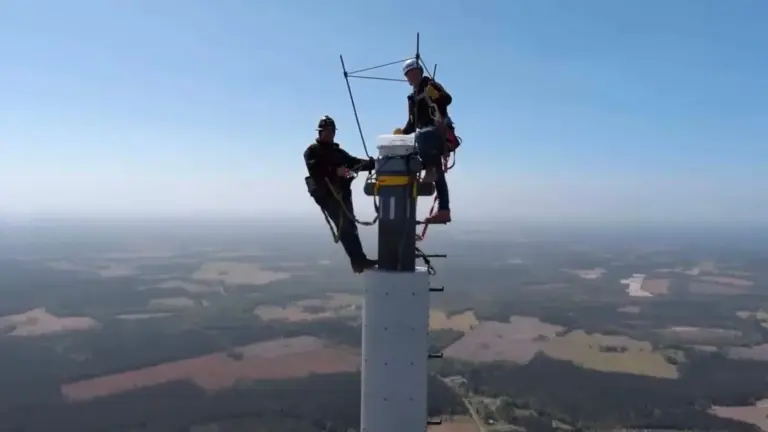
The Federal Aviation Administration has updated its rules to streamline drone operations for tower inspections, removing a key regulatory hurdle for commercial drone operators. Effective October 31, 2026, FAA Order JO 7200.23E exempts tower inspection flights from the requirement to coordinate with air traffic control when operating above LAANC (Low Altitude Authorization and Notification Capability) grids. This change applies specifically to missions conducted at structures like communications towers, wind turbines, and similar vertical infrastructure.
The update is part of a broader revision that also establishes new procedures for drone operations at Class E airports, though the tower inspection exemption is the most immediate impact for field-based drone service providers. By eliminating the need for real-time ATC approval above LAANC ceilings, inspectors can now plan and execute missions more efficiently, reducing delays and administrative burden. This is particularly beneficial for routine inspections in controlled airspace where LAANC authorization is already granted but vertical extension beyond the grid previously required additional coordination.
For drone businesses specializing in infrastructure inspection, the rule change means faster turnaround times and greater operational flexibility. Operators can now conduct taller inspections—such as those on 500-foot+ towers—without seeking separate waivers or making ATC calls, provided they remain within the confines of the tower inspection exemption and follow all other safety regulations. The FAA emphasizes that flights must still comply with Part 107 or applicable waivers, and operators must maintain visual line of sight and avoid interfering with manned aircraft.
Industry experts note that this move aligns with the FAA’s broader effort to integrate drones into the National Airspace System by reducing friction for low-risk, repetitive commercial missions. While the order does not alter altitude limits or eliminate the need for pre-flight planning, it removes a procedural bottleneck that has slowed inspection workflows, especially in areas with dense air traffic or frequent LAANC use. Drone service providers are advised to review the full text of JO 7200.23E and update their standard operating procedures accordingly before the effective date.
Join the conversation
Load Facebook comments to read and reply using your Facebook account.
