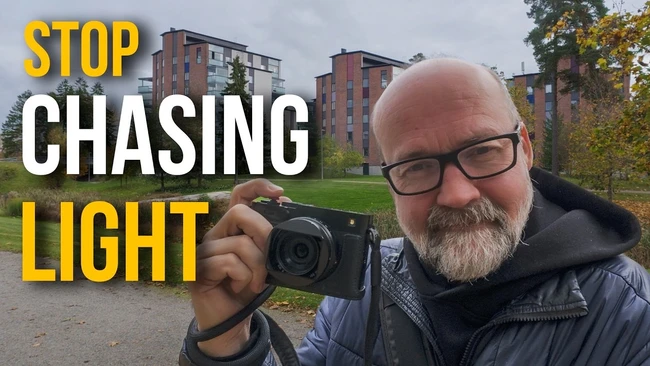
Many street photographers find their strongest images during golden hour or blue hour, when warm or cool light adds instant polish to ordinary scenes. But this beauty can sometimes hide whether a photo truly works on its own — strong light may compensate for weak timing, composition, or subject interaction. As the seasons shift and daylight grows flatter and grayer, creators face a quieter, more honest test of their skills.
The Fstoppers article highlights that over-reliance on dramatic lighting can mask gaps in storytelling or decisive moments. When the sun is low and colors are rich, even a poorly framed shot can feel evocative. In contrast, flat winter light strips away those visual crutches, forcing photographers to focus on human behavior, contrast, timing, and framing — the core of compelling street work.
This shift isn’t a limitation; it’s a training ground. Shooting in challenging light builds discipline, encouraging creators to wait for real interactions rather than relying on atmosphere alone. It also sharpens post-processing decisions, as there’s less room to hide noise or exposure errors in flat light.
For content creators building portfolios or teaching others, embracing these months offers a chance to show range and technical growth. Demonstrating skill in difficult conditions signals mastery beyond chasing pretty light — a valuable trait in client work, workshops, and online teaching.
Use the gray season to audit your keepers: Are they strong because of the light, or despite it? The answer will shape your evolution as a photographer.
Join the conversation
Load Facebook comments to read and reply using your Facebook account.
